2026 Top Thrust Roller Bearing Innovations and Trends?
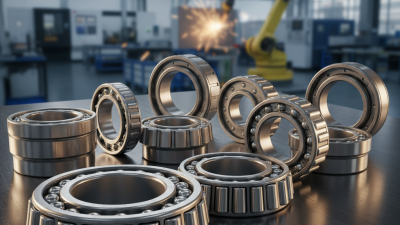
As industries evolve, the demand for advanced Thrust Roller Bearings continues to grow. The global market for thrust bearings is expected to reach USD 3.4 billion by 2026, driven by automation and robotics. Innovations focus on reducing friction and enhancing load capacity. These improvements can increase operational efficiency.
Emerging trends indicate a shift towards smart technologies. Data integration can monitor performance in real-time. However, the industry must address potential challenges, such as rising material costs. Sustainability is another pressing issue. Manufacturers are urged to adopt eco-friendly practices.
While advancements are promising, not all innovations are flawless. Some new designs may lack long-term reliability. This highlights the need for careful evaluation and testing. The future of Thrust Roller Bearings relies on balancing performance with sustainability. Continuous improvement must be the goal for industry players.
Recent Advances in Thrust Roller Bearing Materials and Manufacturing
The thrust roller bearing industry is experiencing notable advancements in materials and manufacturing techniques. Recent reports indicate that the demand for high-performance bearings is expected to grow at a compound annual growth rate of 4.5% from 2021 to 2026. This growth is driven by industries such as automotive and aerospace, which require superior load capacity and durability.
One innovation is the development of hybrid materials. These combine traditional metals with advanced composites. Notably, such materials can withstand higher temperatures and reduce friction. According to a study, bearings made from these composites can last up to 30% longer than their all-steel counterparts. However, the integration of new materials poses challenges. Many manufacturers struggle with production consistency and reliability.
Another trend is the use of additive manufacturing. 3D printing enables complex geometries that were impossible before. This could optimize performance and reduce weight. Yet, quality control remains a concern. There are still questions about the long-term stability of printed components. Ongoing research aims to tackle these issues while pushing the boundaries of thrust roller bearing technology.
2026 Thrust Roller Bearing Innovations and Trends
This chart illustrates the advancements in thrust roller bearing materials and manufacturing techniques over recent years, focusing on key innovations in material strength, load capacity, and temperature resistance.
Innovative Designs Enhancing Thrust Roller Bearing Performance
Thrust roller bearings are evolving rapidly. Innovative designs are enhancing their performance significantly. New materials offer improved durability and reduce friction. These advancements cater to various industries, including automotive and aerospace.
Consider using hybrid materials for thrust roller bearings. They balance weight and strength well. For instance, ceramic components can enhance wear resistance. Lubrication is another area seeing innovation. Advanced lubricants reduce heat buildup, increasing bearing lifespan.
Regular monitoring can be beneficial. Analyzing wear patterns helps identify issues early. This can save time and resources in the long run. Pay attention to alignment as well. Misalignment can lead to premature failure and increased costs. Keeping bearings clean is crucial too. Any debris can disrupt performance.
Integration of Smart Technology in Thrust Roller Bearings
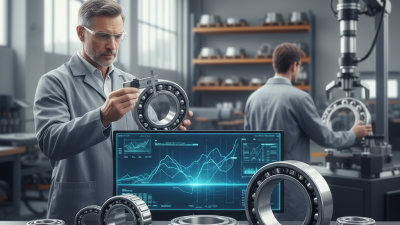
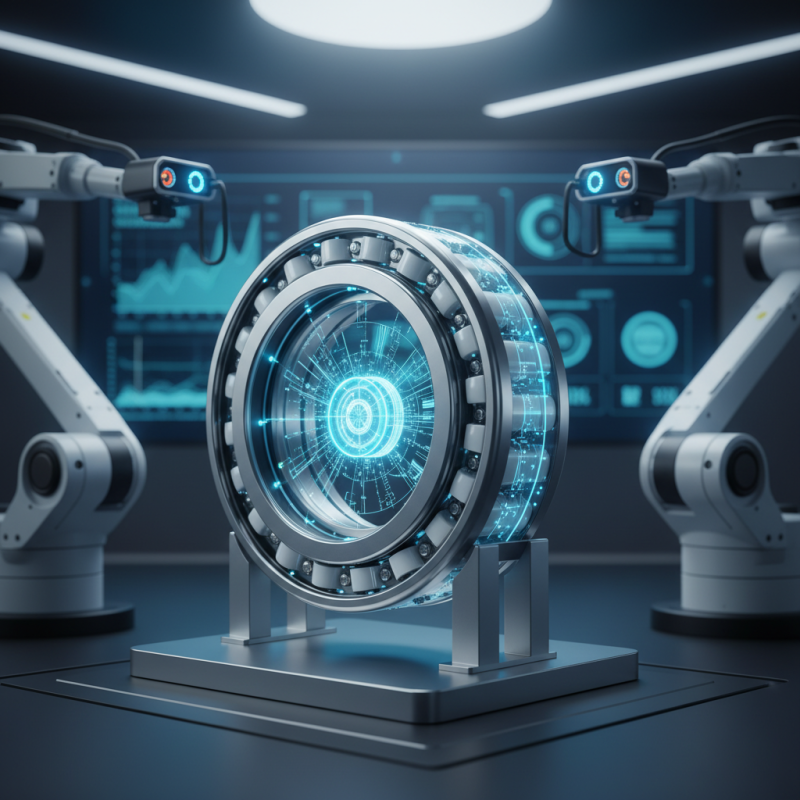
The integration of smart technology in thrust roller bearings is revolutionizing the industry. These innovations enhance performance and reliability. A recent report from the Bearing Industry Association highlighted that nearly 40% of bearings are now equipped with smart sensors. These sensors monitor temperature, vibration, and load conditions in real time, ensuring optimal function.
One exciting trend is predictive maintenance. By utilizing data analytics, companies can anticipate failures before they happen. This minimizes downtime and reduces repair costs. However, implementing smart technology isn’t without challenges. Data security and device interoperability remain significant concerns. Organizations must carefully assess their current infrastructure before upgrading.
Tips: Start small. Incorporate sensors in critical machinery first. Train your team on data interpretation. Remember, even the most advanced systems can face glitches. Continuous evaluation is key. Keeping abreast of technological advances is critical for staying competitive. Enhancing technology is essential, but don't overlook the human element in maintenance strategies.
Sustainability Trends in Thrust Roller Bearing Production
Sustainability in thrust roller bearing production is becoming increasingly important. The industry is facing pressure to reduce its carbon footprint. Reports estimate that manufacturing processes contribute significantly to greenhouse gas emissions, often exceeding 35% in some sectors. This drives innovation in sustainable practices.
Recycling and material efficiency stand out as key trends. New manufacturing techniques focus on reusing materials, reducing waste by up to 25%. Companies are also exploring bio-based lubricants to cut down on synthetic oils. This shift could potentially decrease environmental impact, but challenges remain.
Balancing performance and sustainability is a complex task. While eco-friendly materials may reduce emissions, they often face durability issues. Research shows that some sustainable alternatives underperform in high-stress environments. The industry must continue to innovate, addressing both environmental and performance needs.
2026 Top Thrust Roller Bearing Innovations and Trends - Sustainability Trends in Thrust Roller Bearing Production
| Innovation/Trend |
Description |
Sustainability Impact |
Market Adoption Rate |
| Biodegradable Bearing Materials |
Development of bearings made from biodegradable composites to reduce environmental impact. |
Significantly lower waste and carbon footprint. |
25% |
| Energy-efficient Production Processes |
Utilization of advanced manufacturing technologies to minimize energy usage. |
Reduces greenhouse gas emissions during production. |
40% |
| Recyclable Bearing Designs |
Design of thrust roller bearings that can be easily disassembled and recycled. |
Promotes circular economy and material reuse. |
30% |
| Smart Bearings with IoT |
Integration of IoT sensors in bearings for monitoring and optimizing performance. |
Enhances operational efficiency and reduces energy waste. |
35% |
| Sustainable Sourcing of Materials |
Use of materials sourced from sustainable or recycled sources for production. |
Minimizes resource depletion and promotes responsible sourcing. |
20% |
Future Directions for Thrust Roller Bearing Research and Development
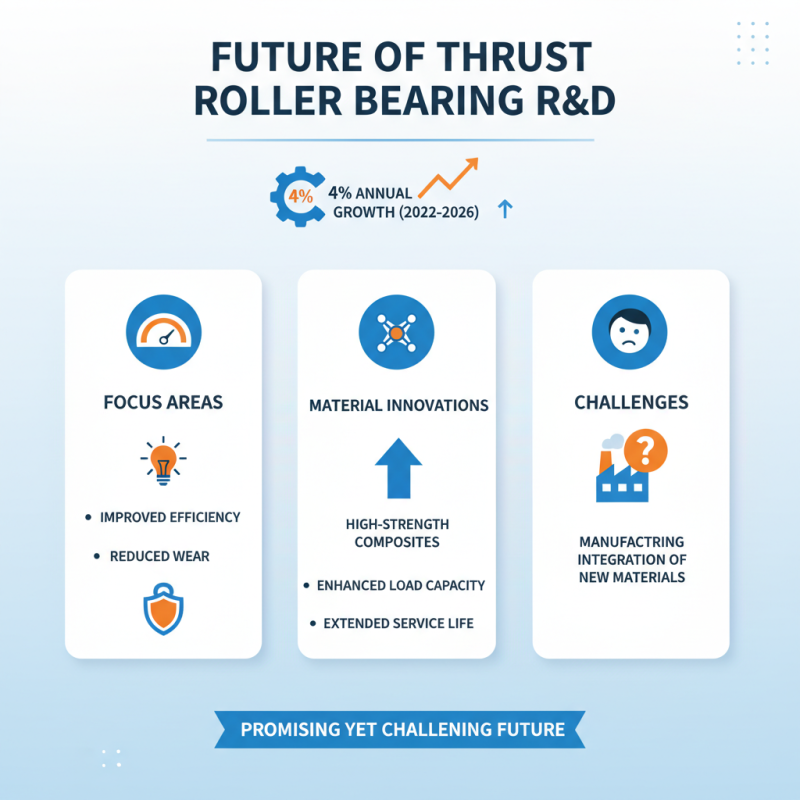
The future of thrust roller bearing research and development is promising yet challenging. With a projected compound annual growth rate of 4% through 2026, the industry is focusing on improved efficiency and reduced wear. Innovations in materials, such as high-strength composites, are emerging. These materials can enhance load capacities and extend service life. However, integrating these materials into manufacturing processes presents difficulties.
Tips: Always consider testing new materials in small batches. This approach helps mitigate risks associated with production changes.
Researchers are also exploring new lubrication methods that can reduce friction and increase performance. A report indicated that 30% of bearing failures are due to inadequate lubrication. Addressing this issue can significantly enhance reliability. However, the implementation of smarter, more adaptive lubrication systems is still in its infancy and requires further exploration.
Tips: Monitor lubrication routines closely. Regular checks can prevent mechanical failures in thrust roller bearings.
Furthermore, the trend towards automation in bearing manufacturing could reshape the industry. However, the transition poses questions about workforce adaptation and technology integration. Balancing these innovations with the human element is crucial for future advancements.