What is Agricultural Bearing and Why is it Important for Farming?
Agricultural Bearing plays a crucial role in modern farming. It refers to components used in machinery that facilitate movement and stability. These elements help tractors and harvesters run smoothly. Without agricultural bearings, farmers face significant challenges in productivity.
Understanding agricultural bearings is vital for ensuring efficient operations. They reduce friction and wear in machinery, enhancing performance. A reliable bearing can lead to longer equipment life and lower maintenance costs. However, not all manufacturers offer durable products, which creates concerns. Farmers must carefully evaluate their suppliers to ensure quality and reliability.
As the agricultural industry evolves, the importance of these components cannot be overstated. A lack of awareness about agricultural bearings can lead to poor performance and downtime. Thus, farmers should prioritize education around this topic. Investing in high-quality bearings can offer a valuable return through improved efficiency and reduced operational stress.
Understanding Agricultural Bearings: A Comprehensive Overview
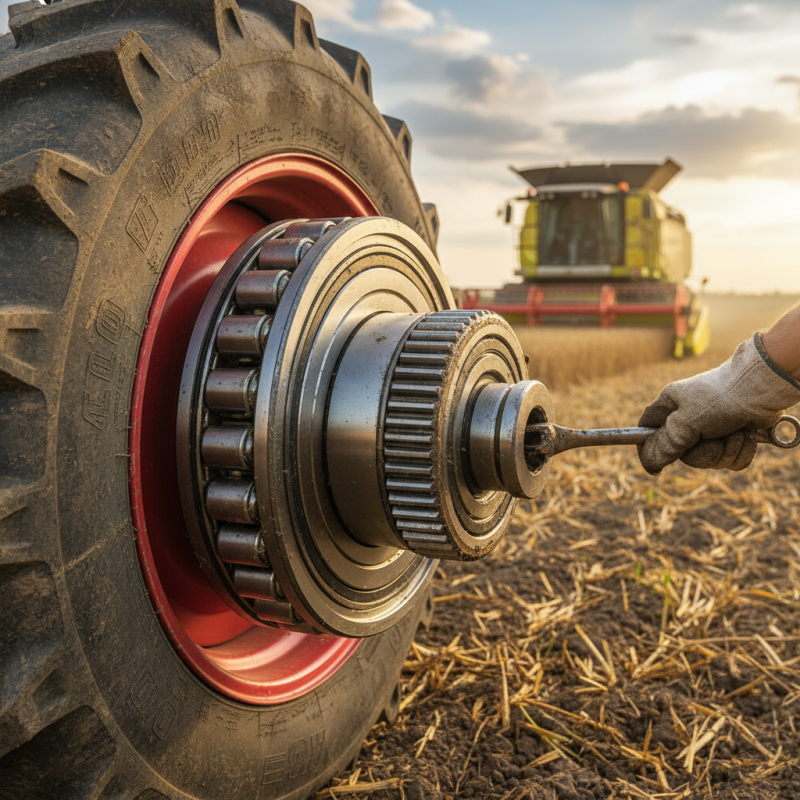
Agricultural bearings play a critical role in modern farming practices. These components are essential for the smooth operation of various machinery. Tractors, harvesters, and irrigation systems rely heavily on high-quality bearings. Their main function is to reduce friction, enabling machines to operate efficiently. Without them, farming equipment would experience excessive wear and tear. This wear leads to costly repairs and downtime.
Understanding the types of agricultural bearings is vital for farmers. There are several varieties, including ball and roller bearings. Each type has its own unique characteristics suited for different applications. For instance, roller bearings can handle heavier loads, making them suitable for larger machinery. Farmers must choose the right bearing to match their equipment and operational needs. Missteps in selection can lead to inefficiencies and increased maintenance costs.
Attention to detail in bearing maintenance cannot be overstated. Regular inspections can help identify signs of wear. Lubrication is also crucial; it ensures longevity. However, farmers may overlook these simple practices. This oversight can result in unexpected machinery breakdowns. A proactive approach can significantly enhance productivity and reduce operational risks in the long run.
Types of Agricultural Bearings Used in Farming Equipment
Agricultural bearings play a crucial role in farming equipment. They support rotating parts in machinery, ensuring smooth operation. Without reliable bearings, farmers can face increased downtime and maintenance costs. Various types of bearings are used depending on the equipment and the environment.
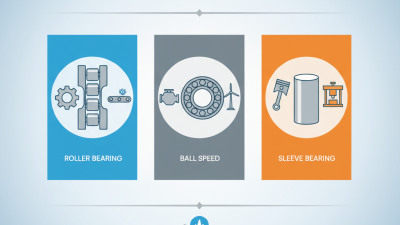
Ball bearings are common in tractors and harvesters. They handle radial and axial loads well. These bearings are effective but can wear out quickly in harsh conditions. Roller bearings, on the other hand, provide better load distribution. They are often used in heavy machinery, making them suitable for challenging terrains.
Other specialized bearings include sealed and self-aligning types. Sealed bearings prevent dirt and moisture from entering, extending their lifespan. Self-aligning bearings can adjust to minor misalignments. However, choosing the right type requires careful consideration. The wrong selection can lead to equipment failure and costly repairs. Farmers need to assess their machinery's specific needs to ensure optimal performance.
The Role of Bearings in Enhancing Farming Efficiency and Output
Bearings play a crucial role in modern farming. They ensure smooth operation of machinery, such as tractors and harvesters. With proper functioning bearings, equipment runs more efficiently. This efficiency can lead to increased productivity on the farm.
When bearings wear out or malfunction, the entire farming operation can suffer. Downtime increases, leading to delayed planting or harvesting. Farmers must frequently check and maintain their equipment, which takes time and effort. Reliable bearings help minimize these issues, allowing farmers to focus on cultivating their crops.
The right bearings can handle heavy loads and harsh conditions. They reduce friction, which makes machinery more energy-efficient. This not only saves on fuel costs but enhances overall output. Investing in quality bearings is essential for sustainable farming practices. Each component, no matter how small, can significantly impact the overall farming operation.
Maintenance Practices for Agricultural Bearings to Ensure Longevity
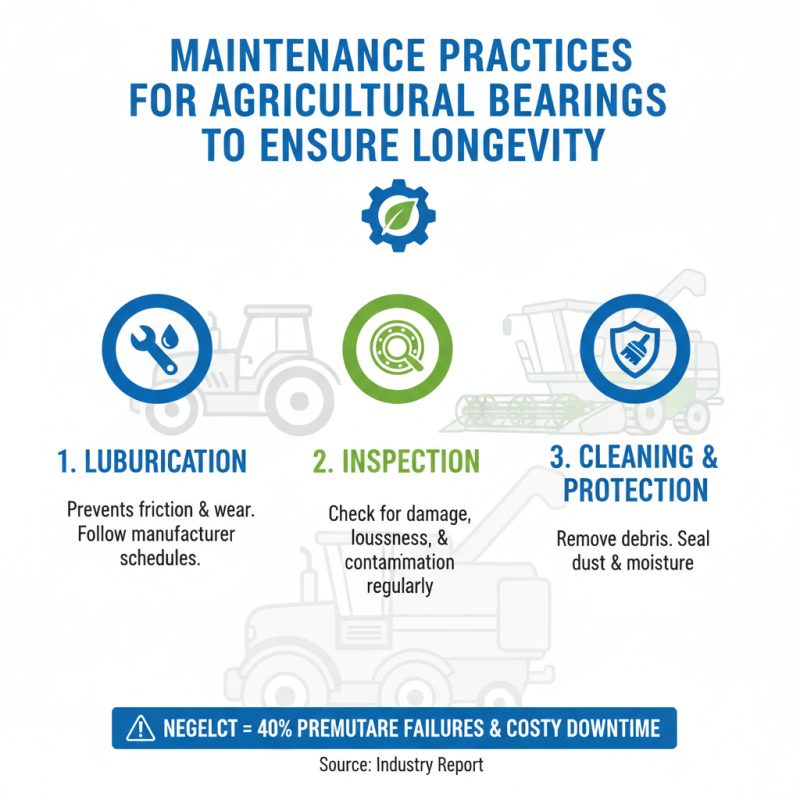
Agricultural bearings play a critical role in the efficiency and productivity of farming operations. They facilitate movement within equipment like tractors and harvesters. Proper maintenance of these bearings can significantly enhance their lifespan, leading to lower operational costs. According to a recent industry report, neglecting bearing maintenance can lead to up to 40% premature failures, resulting in costly downtimes.
Regular inspections are essential. Check for any signs of wear, such as discoloration or unusual noises. Lubrication must be done according to the manufacturer's specifications to prevent overheating. Dry or contaminated lubricants can cause bearings to seize, impacting machinery performance. This routine maintenance can extend bearing lifespan by up to 30%, as noted in studies by agricultural engineering associations.
Tips: Always monitor operating temperatures. Abrupt temperature changes can signal issues. Ensure that equipment is properly aligned; misalignment can accelerate wear. Adjustments should be made promptly to avoid extensive repairs. Small maintenance efforts can lead to big savings in the long run. A disciplined approach to bearing care can transform farming operations, making them more sustainable and profitable.
Challenges and Innovations in Agricultural Bearing Technology
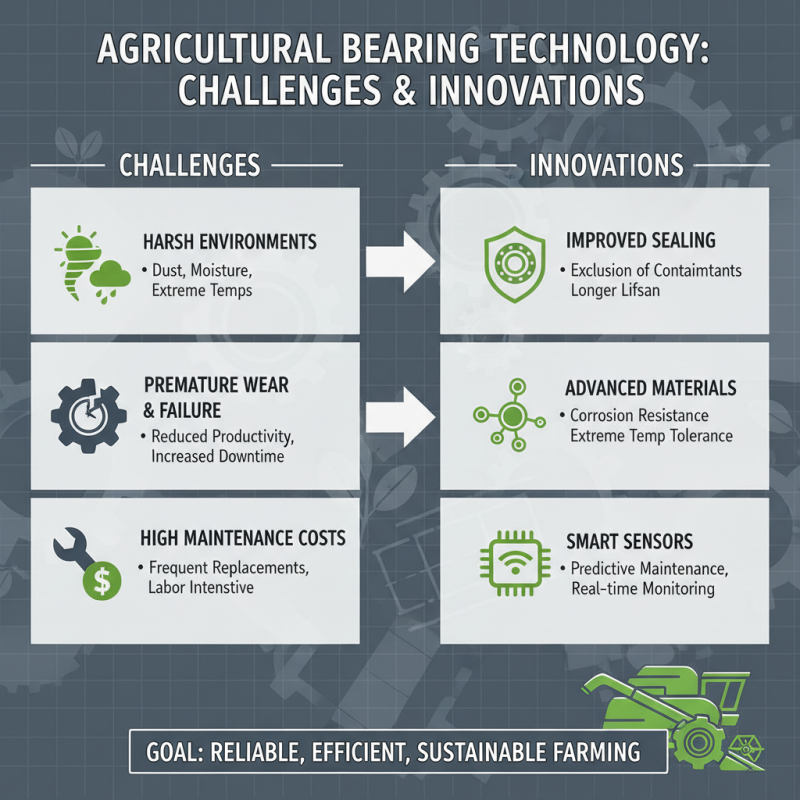
Agricultural bearings play a crucial role in ensuring efficient operation of farming machinery. However, the technology surrounding them faces several challenges today. One major issue is the harsh environment on farms. Dust, moisture, and extreme temperatures can lead to premature wear and failure. This affects not only productivity but also increases maintenance costs. Farmers often find themselves grappling with these issues, questioning the reliability of their equipment.
Innovations in agricultural bearing technology are addressing these challenges. New materials and designs are being developed to enhance durability and performance. For instance, sealed bearings can prevent contaminants from entering. Lubrication improvements reduce friction and extend service life. Many farmers are eager to adopt these advancements, yet the cost can be a barrier. They might hesitate to invest, worrying about whether the benefits will outweigh the expense.
The future of agricultural bearings lies in continued research and development. There’s a need for solutions that are both cost-effective and resilient. As technology progresses, collaboration between researchers and farmers can drive this innovation forward. However, the adoption rate can be slow, and not all farmers have access to the latest information. Bridging this gap is essential for better farming practices.