How to Choose the Best Roller Bearing Factory for Your Needs?
Choosing the right Roller Bearing Factory is crucial for various industrial applications. According to a report by Market Research Future, the global roller bearing market is expected to grow at a CAGR of 6.5% from 2021 to 2028. This growth emphasizes the need for understanding the nuances of selecting a suitable manufacturer. Experts like Dr. Emily Chen, a leading figure in bearing technology, highlighted, "The quality of roller bearings directly impacts machine efficiency and operational costs."
Many companies overlook critical factors while selecting a Roller Bearing Factory. It's not just about pricing. The manufacture’s reputation, quality standards, and technological capabilities play a vital role. In industries with high precision requirements, a poorly chosen factory can lead to unexpected downtimes. Furthermore, only a few manufacturers consistently meet the rigorous international standards necessary for high-performance bearings.
Potential buyers should carefully evaluate factories. Customer feedback and industry certifications can provide insight. Some factories may promise low prices but compromise on quality. That’s a risk. Make decisions based on reliable data and specific needs. Investing time in research might seem tedious, but the long-term benefits far outweigh the effort.
Understanding Roller Bearings: Types and Applications
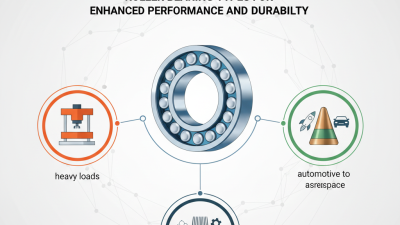
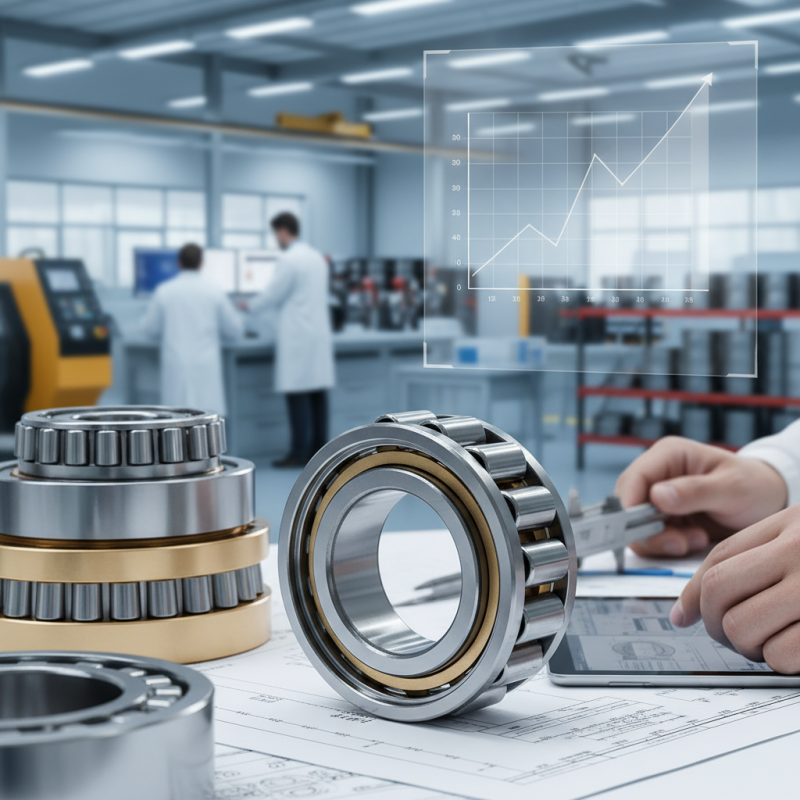
Roller bearings play a crucial role in many industries. They support moving parts and reduce friction, which improves efficiency. Understanding their types and applications is essential before making a choice. There are several types of roller bearings like cylindrical, spherical, and tapered. Each has unique features suited for different situations.
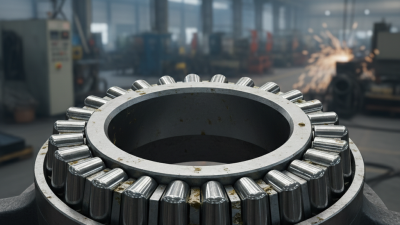
Cylindrical roller bearings, for instance, handle high radial loads and are commonly used in machinery. They have a simple design, but they require correct alignment for optimal performance. On the other hand, spherical roller bearings can accommodate misalignment. This makes them ideal for heavy equipment, but they also need proper maintenance to prevent failures.
Do not overlook the importance of application. Selecting the wrong type can lead to premature wear. Users must consider load conditions and environmental factors. Misjudgments here can lead to costly downtime. A thorough understanding of these factors will go a long way in making a wise decision.
Comparison of Roller Bearing Types and Their Applications
Assessing Quality Standards and Certifications in Roller Bearing Factories
When selecting a roller bearing factory, assessing quality standards and certifications is crucial. Many factories claim to meet high standards, but not all do. Look for compliance with ISO 9001. This certification ensures that the factory adheres to international management and quality standards. A factory with this certification is more likely to produce reliable products.
In addition to ISO, consider other certifications like ISO/TS 16949. This standard is specifically for the automotive industry and guarantees a higher level of quality. According to industry reports, facilities with this certification demonstrate a defect rate that is 50% lower than their counterparts. Furthermore, factories should hold certifications relevant to specific applications, such as food safety or aerospace standards.
However, some factories might have outdated certifications or rarely perform quality audits. It's essential to ask for recent audit reports. Reviewing these details can reveal discrepancies in their claims. Not all factories may offer transparency. A factory might show you impressive data but lack real-world application. Evaluating quality standards provides insight into a factory's commitment to excellence and reliability in roller bearing production.
How to Choose the Best Roller Bearing Factory for Your Needs? - Assessing Quality Standards and Certifications in Roller Bearing Factories
| Factory Location |
Quality Certification |
Production Capacity (Units/Month) |
Lead Time (Weeks) |
Customer Rating (Out of 5) |
| Country A |
ISO 9001 |
100,000 |
4 |
4.5 |
| Country B |
ISO 9001, TS 16949 |
120,000 |
6 |
4.7 |
| Country C |
ISO 9001, ISO 14001 |
80,000 |
5 |
4.2 |
| Country D |
ISO 9001, API |
150,000 |
3 |
4.9 |
Evaluating Manufacturing Processes and Capabilities of Factories
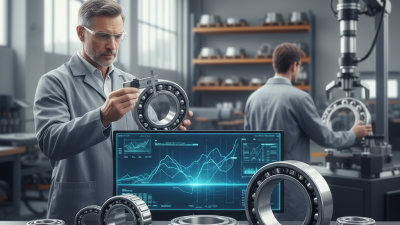
When choosing a roller bearing factory, evaluating their manufacturing processes is crucial. Look for factories that utilize advanced technology. A factory with modern machinery often produces higher quality components. Examine the materials they use. High-grade materials contribute to durability and performance. Check for quality control measures in place. Frequent inspections during production can indicate a commitment to quality.
Consider the capabilities of the factory as well. Do they have the capacity to meet your demands over time? A factory with flexible production lines may adapt better to changing needs. Observe their workforce experience. Skilled workers can pinpoint issues that machines alone might miss. Sometimes, factories may struggle to balance efficiency with quality. A factory pushing for higher output might compromise the integrity of the products.
Visiting the factory can provide insights into their operations. Look for cleanliness and organization on the shop floor. A disorganized environment can hint at deeper issues. Pay attention to how the staff interacts with machinery and each other. Communication can reflect the overall morale of the workforce. These details may guide your decision, revealing whether the factory aligns with your requirements.
Analyzing Cost Factors and Pricing Strategies in Roller Bearings
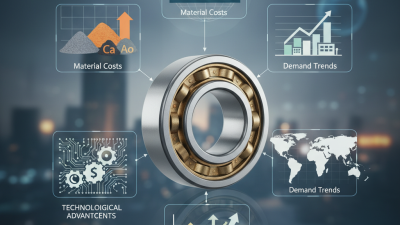
When selecting a roller bearing factory, understanding cost factors is crucial. Pricing strategies vary widely across manufacturers. A recent industry report shows that raw materials account for about 50% of production costs. Fluctuations in steel prices directly impact the final cost. It's important to analyze not just the price tags but also material quality.
[Image]
Labor costs also play a significant role. In regions with higher wages, the production cost could rise by 20%. However, increased wages might correlate with better craftsmanship. This is a factor worth weighing for durability. Many manufacturers may offer lower prices to attract customers, but what’s the catch?
Manufacturing efficiency is another cost determinant. Advanced technologies can reduce waste and increase output. A factory that invests in automation may cut costs by 15-30% in the long run. Yet, such investments come with risks and uncertainties. Understanding these nuances can help you make an informed decision.
Researching Customer Reviews and Reputation of Roller Bearing Suppliers
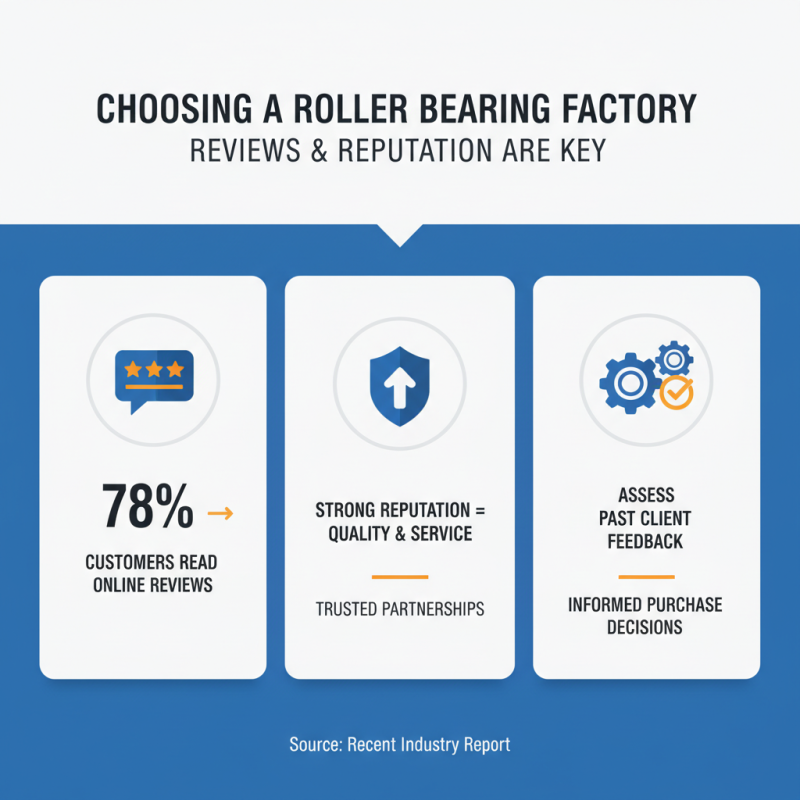
When searching for the right roller bearing factory, customer reviews and reputation are crucial. According to a recent industry report, nearly 78% of customers rely on online reviews before making a purchase. This starkly illustrates the significance of assessing feedback from past clients. A strong reputation often reflects a commitment to quality and service, which can lead to long-term partnerships.
Additionally, analyzing specific feedback can provide insights into operational performance. Look for detailed comments about product durability and after-sales service. For example, a survey showed that 64% of clients prioritize durability in their purchase decisions. Yet, some reviews may be overly positive or negative. Thus, it’s essential to consider patterns and not one-off comments.
Also, consider the factory’s responsiveness. Quick communication suggests a dedicated team, while delays may indicate future challenges. Researching across multiple platforms increases your understanding of the supplier's standing. Despite gathering extensive data, some areas might still seem ambiguous. Always trust your instincts and seek clarifications when needed.