How to Choose the Right Auto Wheel Bearing for Your Vehicle?
Choosing the right auto wheel bearing is crucial for vehicle performance and safety. According to industry reports, improper selection can lead to premature failure and costly repairs. In fact, studies show that over 30% of vehicle performance issues stem from wheel bearing problems.
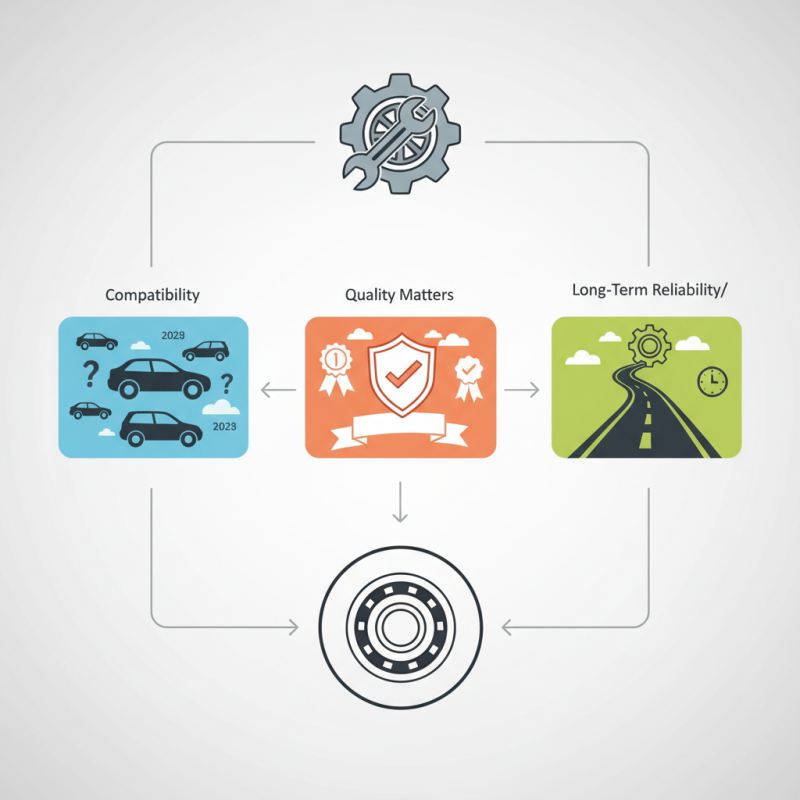
When selecting an auto wheel bearing, consider compatibility with your vehicle’s make and model. Each vehicle has specific requirements that affect performance. Ignoring these can result in inefficient operation. Sometimes, even new bearings can fail if they do not match your vehicle correctly.
Moreover, quality matters. Not all auto wheel bearings are created equal. Recognizing reputable brands and understanding warranty options can greatly enhance your decision-making process. Remember, a small oversight can lead to significant issues down the road. Reflecting on these factors will help ensure you're making the best choice for your vehicle’s needs.
Understanding Auto Wheel Bearings: Types and Functions
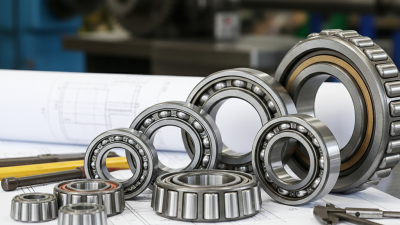
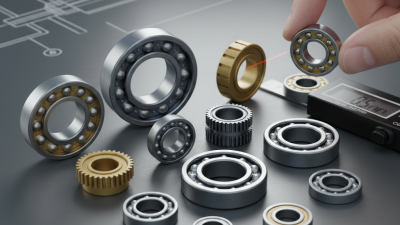
Auto wheel bearings play a crucial role in vehicle performance. They support the weight of the vehicle and allow the wheels to rotate smoothly. There are two main types: tapered roller bearings and ball bearings. Tapered roller bearings can handle both radial and axial loads, offering better stability. On the other hand, ball bearings are simpler; they work well in lower-load situations.
A recent industry report indicated that approximately 70% of wheel bearing failures result from improper installation or lack of maintenance. This highlights the need for understanding bearing types and their functions. Regular inspections can help catch early signs of wear, such as unusual noises or vibrations. These signals often go unnoticed, leading to larger problems.
Different vehicles require specific wheel bearings. For instance, trucks need heavy-duty options, while compact cars can use lighter bearings. This inconsistency can create confusion for mechanics and vehicle owners. Knowing the right bearing type can save time and money in the long run. Ignoring proper selection may lead to frequent replacements or safety risks, posing questions about the importance of informed choices.
How to Choose the Right Auto Wheel Bearing for Your Vehicle?
Understanding the different types and functions of auto wheel bearings is crucial for selecting the right one for your vehicle. The following chart illustrates the common types of wheel bearings and their typical applications.
Factors to Consider When Selecting Wheel Bearings for Your Vehicle
Choosing the right auto wheel bearing is crucial for your vehicle's performance. When selecting wheel bearings, consider several key factors to ensure optimal compatibility. The vehicle's make and model significantly influence your choice. Not all bearings fit every vehicle, so consult your owner's manual for specifications.
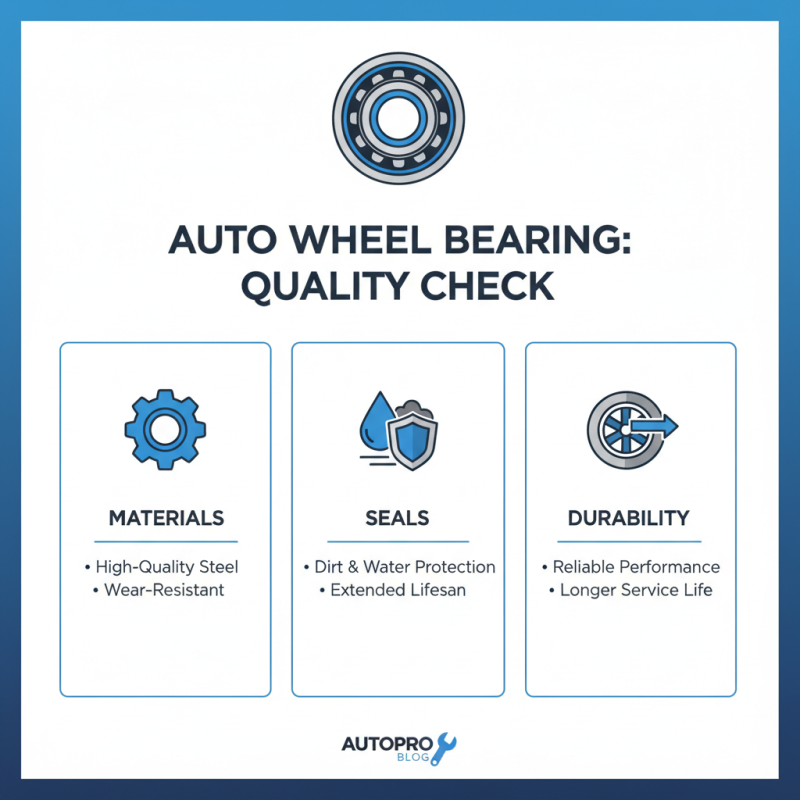
Quality matters. Look for bearings made from durable materials. They should withstand various driving conditions. Consider the type of driving you do. Expecting harsh terrains? You might need a more robust bearing. Factor in environmental conditions as well. Humid or very cold regions may affect bearing longevity.
Think about the installation process too. Some bearings require professional installation. This can add to the overall cost. DIY enthusiasts should evaluate their skill level. A poor installation can lead to issues. It's essential to reflect on your knowledge and comfort with car repairs.
Impact of Wheel Bearing Specifications on Performance and Longevity
Choosing the right auto wheel bearing is crucial for optimal vehicle performance. Specifications play a significant role here. They determine how well the bearing can handle loads, speed, and environmental conditions. For instance, a bearing designed for heavy-duty use will differ from one meant for regular commuting.
Material quality is essential. Steel, ceramic, and other composites offer various advantages. A steel bearing might be robust but heavier. On the other hand, ceramic options are lighter with better heat resistance. However, they can be more expensive and may not always be necessary. It's important to consider whether the added performance is worth the cost.
Another consideration is the installation process. Some bearings are easier to install than others. A complicated setup might deter DIY enthusiasts or lead to mistakes during installation. Always check the fitment for your vehicle. An ill-fitting bearing can result in premature wear. It's frustrating when a simple choice leads to bigger problems down the road. Small details matter when it comes to bearings; overlook them at your own risk.
How to Choose the Right Auto Wheel Bearing for Your Vehicle? - Impact of Wheel Bearing Specifications on Performance and Longevity
| Specification |
Description |
Impact on Performance |
Longevity |
| Bearing Type |
Ball Bearing, Roller Bearing, etc. |
Affects load capacity and behavior under stress. |
Different types have different wear rates. |
| Material |
Chromium Steel, Ceramic, etc. |
Influences heat resistance and performance under load. |
Higher quality materials enhance durability. |
| Sealing Type |
Shields, Sealed, etc. |
Helps prevent dirt and contaminants. |
Proper sealing extends operational life. |
| Weight Rating |
Load capacity measured in lbs or kgs. |
Critical for performance, especially in heavy loads. |
Overloading can lead to premature failure. |
| Installation Type |
Press-fit, Bolt-on, etc. |
Affects ease of installation and alignment. |
Improper installation can shorten lifespan. |
Maintenance Tips for Optimal Wheel Bearing Performance and Safety
Proper maintenance of your vehicle's wheel bearings is crucial for safety and performance. According to recent studies, around 30% of wheel bearing failures can be attributed to improper lubrication. Regularly checking and topping off lubricant levels can significantly extend the life of these components. You should consider inspecting them at least once every six months, especially if you drive frequently in harsh conditions.
Another vital aspect is to listen for unusual noises while driving. A grinding or humming sound might indicate that a wheel bearing is failing. Ignoring these early signs can lead to more severe issues, including loss of control while driving. In fact, industry reports suggest that vehicles with neglected wheel bearings are 50% more likely to experience accidents due to wheel failure.
Additionally, some owners may overlook the importance of the installation process. A poorly installed bearing can lead to misalignment and increased wear. This is not just a minor detail; it can have significant repercussions on your vehicle's handling. Therefore, take time to ensure your wheel bearings are installed correctly, or consult a professional if you're unsure. Remember, a small investment in maintenance can save you from costly repairs down the line.