How to Choose the Right Shandong Bearing for Your Industrial Needs?
Choosing the right Shandong Bearing is a pivotal decision for any industrial operation. An expert in the field, Dr. Li Wei, once stated, "The right bearing can significantly enhance machine performance." This insight emphasizes the importance of selection.
When looking for Shandong Bearings, consider the specific requirements of your machinery. Factors such as load capacity and speed ratings play a crucial role. Different applications need distinct bearing types. For example, high-speed applications demand precision bearings, while heavy-duty machinery benefits from robust options.
It's easy to overlook these details. Many industries face challenges stemming from poor choices in bearings. A common mistake is focusing solely on price rather than quality. This reflects a need for better evaluation methods. Reflecting on these aspects can lead to improved equipment longevity and performance.
Understanding the Different Types of Shandong Bearings Available
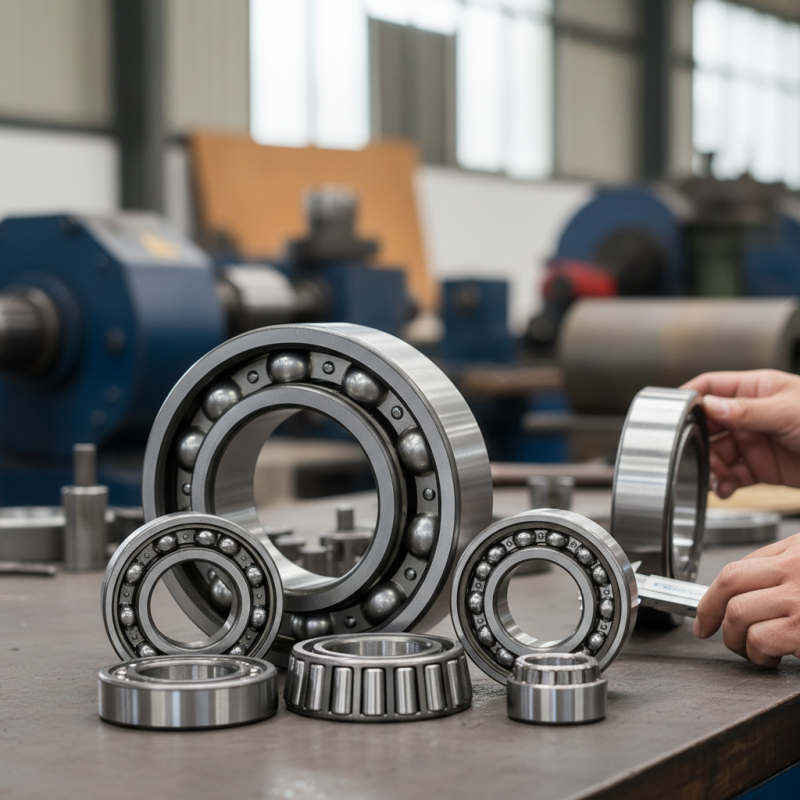
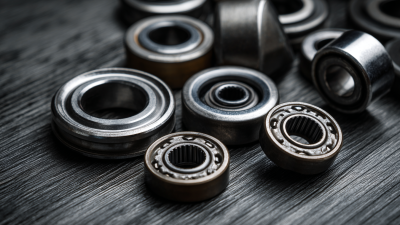
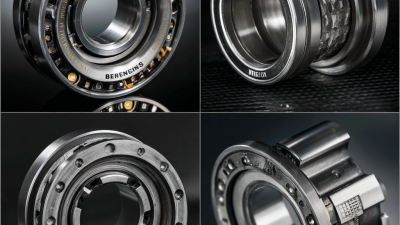
When selecting a Shandong bearing, it's crucial to understand various types available. There are deep groove ball bearings, tapered roller bearings, and spherical roller bearings, each serving distinct purposes. Deep groove ball bearings are among the most common. They handle radial and axial loads efficiently. This makes them ideal for motors and pumps.
Tapered roller bearings, on the other hand, are unique. They manage both radial and axial loads but in one direction. Their construction allows for higher load capacities. These bearings are often used in applications like automotive hubs, where durability is key. Spherical roller bearings have two rows of rollers and can accommodate misalignment. This quality is vital in heavy machinery.
Choosing the right bearing can be complex. Not all applications are straightforward. Sometimes, a detailed analysis is necessary. It’s easy to overlook factors such as operating temperature or load specifics. Each type has its pros and cons. Hence, careful consideration is needed. This thought process can help maximize performance and reduce failures in the long run.
Types of Shandong Bearings and Their Usage
Key Factors to Consider When Selecting Bearings for Industrial Applications
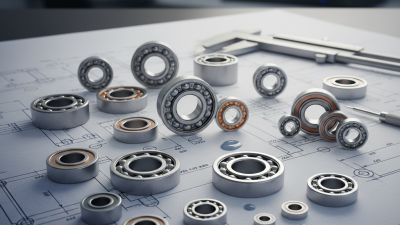
Selecting the right Shandong bearing for industrial applications can significantly impact operational efficiency. Key factors include load capacity, speed ratings, and environmental conditions. Load capacity is crucial. A bearing must support the specific loads without excessive strain. According to a recent industry report, overload can reduce the lifespan of bearings by up to 50%. Understanding your application’s requirements is vital for choosing the right load specification.
Speed ratings also play a critical role. Not all bearings can handle high speeds. Choosing one with an inadequate speed rating may lead to overheating and premature failure. Recent statistics show that nearly 30% of bearing failures stem from speed-related issues. Consider the operational environment, too. Factors like temperature, humidity, and exposure to contaminants must be evaluated. Many overlook these parameters, risking performance and longevity.
It's not uncommon for industries to misjudge their bearing needs. A mismatch can result in higher maintenance costs and downtime. Regular assessments are necessary to adapt to changing operational demands. The right Shandong bearing can enhance performance, but the selection process must involve careful consideration of these key factors.
How to Choose the Right Shandong Bearing for Your Industrial Needs? - Key Factors to Consider When Selecting Bearings for Industrial Applications
| Bearing Type |
Load Capacity (kg) |
Speed Rating (RPM) |
Temperature Range (°C) |
Material |
| Deep Groove Ball Bearing |
2000 |
3000 |
-20 to 100 |
Steel |
| Angular Contact Ball Bearing |
1500 |
5000 |
-20 to 120 |
Chrome Steel |
| Spherical Roller Bearing |
3000 |
1500 |
-30 to 80 |
Nickel Steel |
| Thrust Bearing |
1000 |
2000 |
-20 to 70 |
Brass |
| Self-Aligning Ball Bearing |
2500 |
1200 |
-20 to 90 |
Stainless Steel |
Assessing Load Capacity and Performance Requirements for Your Bearings
When choosing a Shandong bearing for industrial applications, it’s crucial to evaluate load capacity and performance. Load capacity refers to the maximum weight a bearing can support. Knowing this helps prevent premature failure. Often, manufacturers provide load ratings. Review these ratings carefully.
Consider factors like dynamic and static load limits. The dynamic limit indicates the bearing's capacity during movement. Static limits apply when the bearing is stationary. If you expect heavy loads, choose bearings with higher ratings. This can extend their lifespan.
Tips: Measure your application’s load requirements accurately. Use a scale to see actual weights if possible. Predict future needs too; choose bearings that can handle more than anticipated.
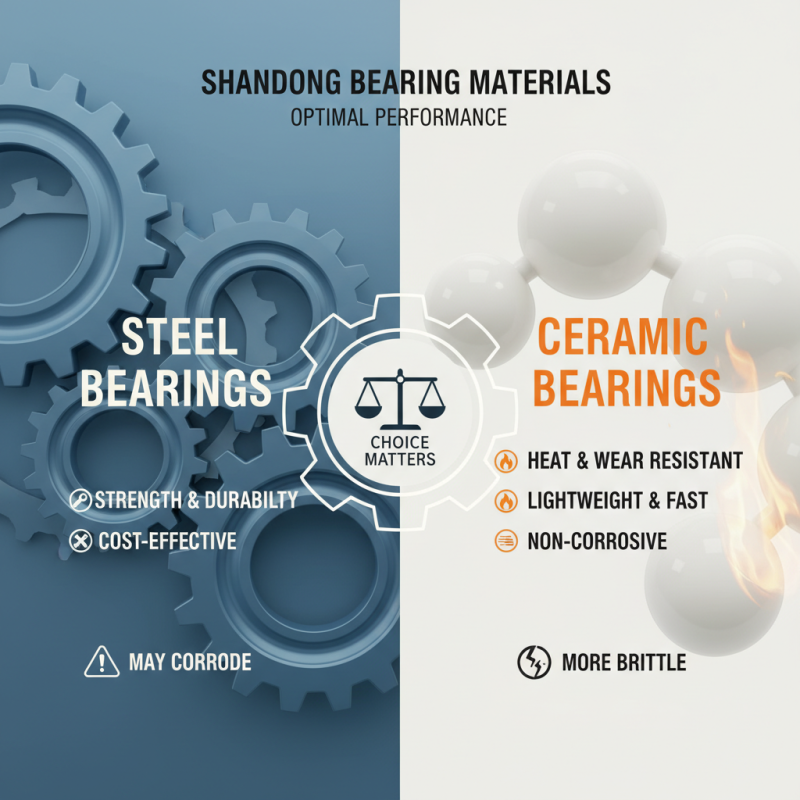
Performance requirements are equally essential. Different applications have unique demands—some may require high speed, while others need durability in harsh conditions. Consider the environment where your bearing will operate. Metal bearings may corrode in wet conditions. Investigate options that offer better resistance.
Tips: Don’t overlook lubrication needs. Proper lubrication can enhance performance. Also, analyze vibration levels—excessive vibration can signal a mismatch between bearing and load.
In conclusion, balance load capacity with performance to ensure optimal bearing selection. Misjudging these factors can hinder efficiency and increase costs. Always reassess and adjust as needed.
Comparing Costs vs. Benefits of Various Shandong Bearing Options
When comparing costs and benefits of Shandong bearings, it’s crucial to consider functionality versus expense. The bearing industry reports show that costs can vary significantly based on material and design. For example, high-quality steel bearings may have a higher initial price. However, their durability can lead to lower maintenance costs over time. In contrast, cheaper options might fail more quickly, leading to unforeseen expenses.
Data indicates that effective bearings can improve machinery efficiency by up to 20%. This efficiency gain can offset initial costs within months. Yet, businesses sometimes overlook the long-term savings for short-term gain. This reflects a common challenge in industrial purchasing. Choosing a bearing solely based on price can be risky. Sometimes, a savings-focused attitude can lead to higher total operational costs.
It's also essential to consider application-specific requirements. For instance, bearings designed for high-load applications differ from those meant for light-duty tasks. Misapplication can lead to frequent breakdowns, unplanned downtime, and increased costs. Making an informed decision requires careful evaluation, weighing both immediate financial impacts and long-term performance benefits.