How to Choose the Right Spherical Roller Bearing for Your Application?

Choosing the right Spherical Roller Bearing for your application is crucial. These components are essential in numerous industries, including automotive and aerospace. According to a recent market research report, the global bearing market is projected to reach $100 billion by 2025. This growth highlights the increasing demand for high-performance bearings.

Spherical Roller Bearings are particularly valued for their ability to accommodate misalignment. They can handle heavy loads and operate under harsh conditions. However, selecting the wrong type can lead to premature failure. A 2021 study indicated that improper bearing selection accounts for 30% of equipment downtime. This statistic emphasizes the importance of careful consideration.

Determining the optimal Spherical Roller Bearing requires analyzing load capacity, speed, and environmental factors. Compromises may be necessary. It's not uncommon for engineers to overlook specific requirements, leading to problems. Understanding the intricacies of these bearings can simplify the selection process. Making informed choices can enhance performance and reduce costs in the long run.

How to Choose the Right Spherical Roller Bearing for Your Application?

Understanding Spherical Roller Bearings and Their Applications
How to Choose the Right Spherical Roller Bearing for Your Application?

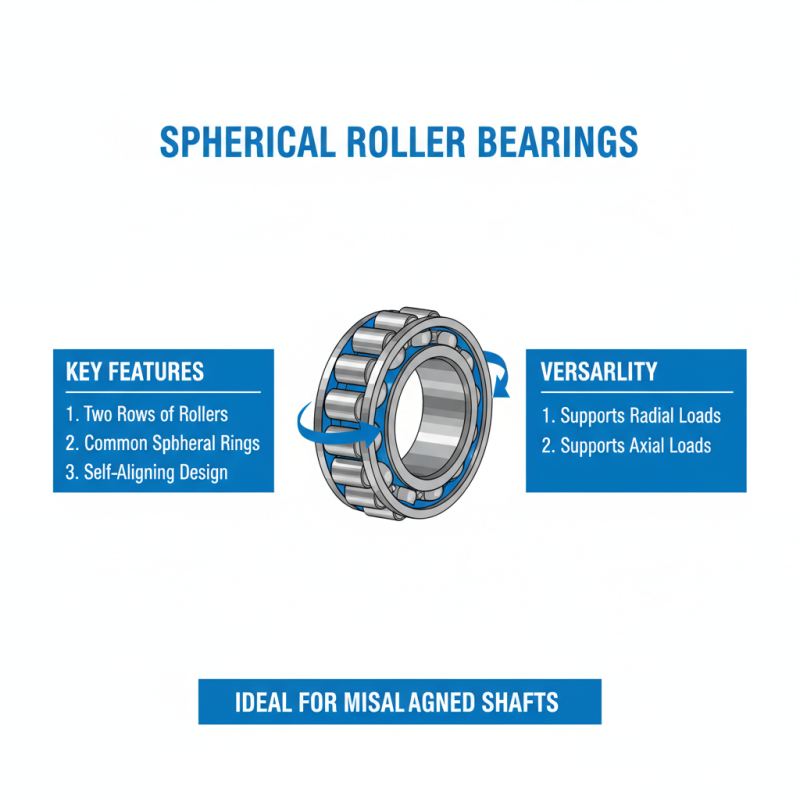
Spherical roller bearings are essential components in various applications. They can support both radial and axial loads, which makes them versatile. These bearings have a unique design featuring two rows of rollers and a common spherical inner and outer ring. This design allows for self-alignment, making them ideal for misaligned shafts.

When choosing a spherical roller bearing, consider the specific application parameters. Load capacity is crucial. Ensure the bearing can handle the expected loads without premature failure. Temperature is also a concern. Extreme heat can affect the lubricant and bearing materials. Be mindful of operating conditions and any environmental factors that may influence performance.

**Tips:** Always check the mounting conditions. Misalignment can lead to quick wear. Regular maintenance is important too. Inspect the bearings for any signs of damage. This could include unusual noises or increased vibration.

Ultimately, understanding the application is key. Think about how the bearing interacts with other components. It may be beneficial to seek expert advice to navigate complex requirements. Taking a closer look at your specific needs can prevent costly mistakes.
Key Factors Influencing Bearing Selection for Optimal Performance

When selecting a spherical roller bearing, several key factors come into play. Load capacity is critical. Understand the loads your application will experience. It can vary significantly under different conditions. A bearing that is too small may fail prematurely. Conversely, an oversized bearing can lead to unnecessary costs.

Another factor is the speed of operation. High-speed applications require specific bearing designs. Ensure that the chosen bearing can handle the expected RPM. Consider the lubrication method as well. Proper lubrication reduces friction and wear. Select the right type and amount for optimal performance.

Temperature can also influence your decision. Extreme temperatures may affect the bearing's efficiency. Pay attention to the operating environment. This includes contaminants or moisture that could affect longevity. Regular maintenance and monitoring can help catch early signs of failure. Sometimes, adjustments may be necessary, preventing bigger issues down the line.

Load Ratings and Maximum Capacity in Spherical Roller Bearings

How to Choose the Right Spherical Roller Bearing for Your Application?

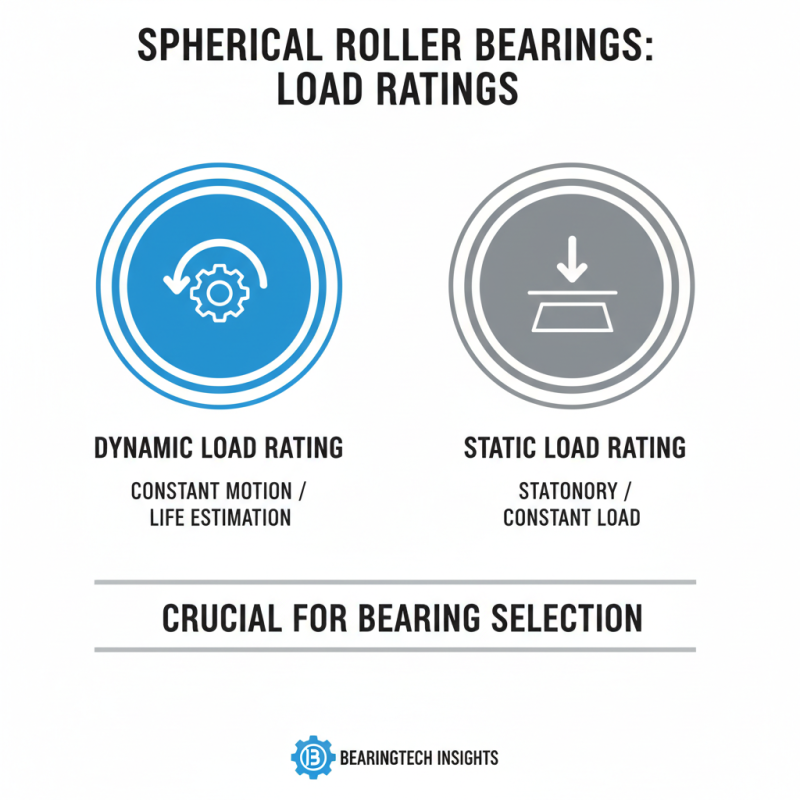
When selecting spherical roller bearings, understanding load ratings is crucial. Load ratings determine how much weight a bearing can handle under various conditions. According to industry data, there are two key ratings to consider: dynamic and static load ratings. Dynamic load ratings estimate the bearing's life under constant motion. Static load ratings apply when the bearing is stationary or under a constant load.

The maximum capacity of a spherical roller bearing depends on its design and materials. Typically, the maximum dynamic load rating for medium-sized bearings ranges from 40,000 to 90,000 Newtons. However, exceeding these ratings can lead to premature failure. Reports indicate that around 30% of bearing failures are linked to overload situations. Therefore, accurately calculating required load ratings ensures reliability in various applications.

Different operating conditions can also influence performance. For instance, temperature fluctuations and contamination can reduce bearing capacity. Designers should account for these factors when selecting bearings. Moreover, some applications may require a safety margin beyond the calculated load ratings. Balancing performance with reliability is often challenging but necessary for optimal operation.

Environmental Considerations: Operating Conditions and Lubrication

When selecting a spherical roller bearing, environmental conditions play a crucial role. Extreme temperatures can affect performance. For instance, high heat may lead to premature lubrication breakdown. Cold conditions can cause increased resistance. Both scenarios require careful consideration of operating conditions.

Lubrication is key. It prevents wear and tear. But not all lubricants suit every environment. In dusty or humid settings, contaminants can compromise bearing integrity. Choosing the right grease or oil is essential. Sometimes, users underestimate the importance of regular maintenance. Routine checks can highlight lubrication issues before they become critical.

The working environment dictates bearing choice. Locations prone to vibration need robust designs. Conversely, quiet areas may allow for lighter options. Various factors influence decisions. Often, users overlook how these elements interact. A detailed analysis helps ensure optimal performance. Making informed choices can prevent future headaches.

How to Choose the Right Spherical Roller Bearing for Your Application? - Environmental Considerations: Operating Conditions and Lubrication

Application Operating Temperature (°C) Load Type Lubrication Type Environmental Conditions
Heavy Machinery -20 to 80 Radial + Axial Grease Dusty and Humid
Industrial Fans 0 to 60 Radial Oil Clean Environment
Mining Equipment -10 to 50 Axial Grease Extreme Dust and Soil
Agricultural Machinery -5 to 40 Radial + Axial Oil Wet and Dry
Transportation Vehicles -20 to 100 Radial Grease Variable Weather

Common Mistakes to Avoid When Choosing Spherical Roller Bearings

When selecting spherical roller bearings, avoiding common mistakes is crucial. Many users overlook the importance of load ratings. A bearing's load capacity should match the application's demands. If the load exceeds the rating, the bearing will wear out quickly. Some users fail to consider misalignment. Misalignment can lead to premature failure. Ensure proper alignment during installation.

Another frequent error is ignoring environmental factors. For example, operating conditions like temperature and moisture can significantly impact bearing performance. If a bearing is not suitable for extreme conditions, it can lead to breakage. Additionally, users sometimes choose bearings based on appearance rather than specifications. It’s easy to be swayed by looks, but neglecting material quality can have consequences. Choosing the right material ensures durability, especially in harsh conditions.

Finally, many individuals don’t consult with experts. A quick search online is not a substitute for professional advice. Engaging with knowledgeable personnel can help you avoid costly mistakes. Sometimes, intuition is not enough. Errors in choices may lead to downtime and loss of productivity. Planning and researching can save time and money in the long run.