How to Choose the Right Thrust Roller Bearing for Your Project?
Selecting the right Thrust Roller Bearing can significantly impact your project's success. As industry expert John Smith once said, "Choosing the right bearing is crucial for optimal performance." His words underscore the importance of careful consideration in your selection process.
When choosing a Thrust Roller Bearing, it's essential to understand its specific features. Load capacity, size, and material will affect its performance. For example, heavy loads require robust designs. Additionally, consider the operating environment. Factors such as temperature and humidity can influence bearing longevity.
Common mistakes include overlooking application requirements. Some users choose based on price rather than suitability. This approach can lead to failures and increased costs in the long run. Be mindful of your project's unique needs when making your choice. Your Thrust Roller Bearing selection can set the tone for project reliability and efficiency.
Understanding Thrust Roller Bearings and Their Applications
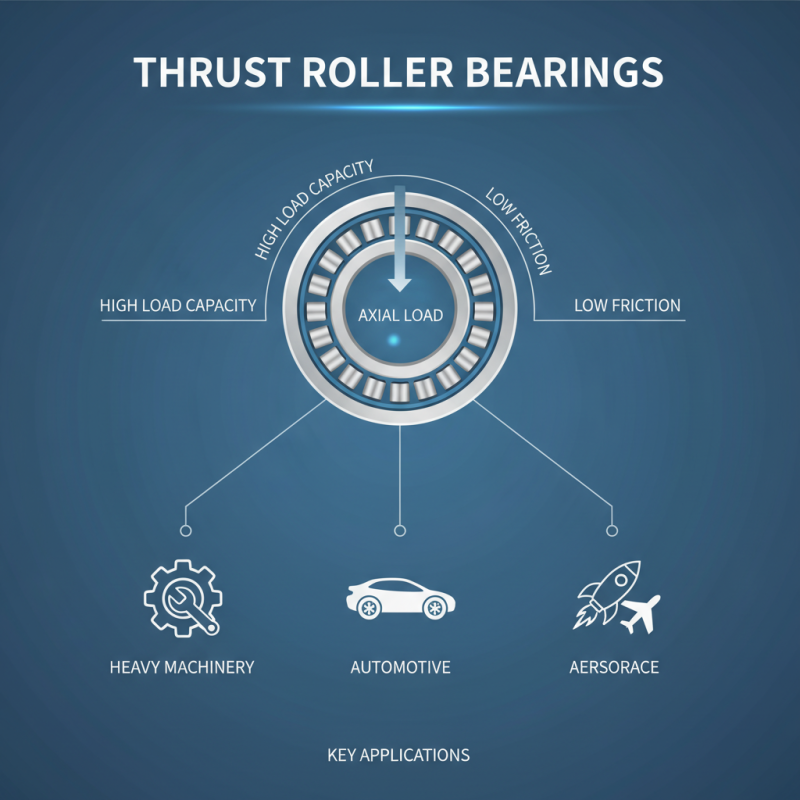
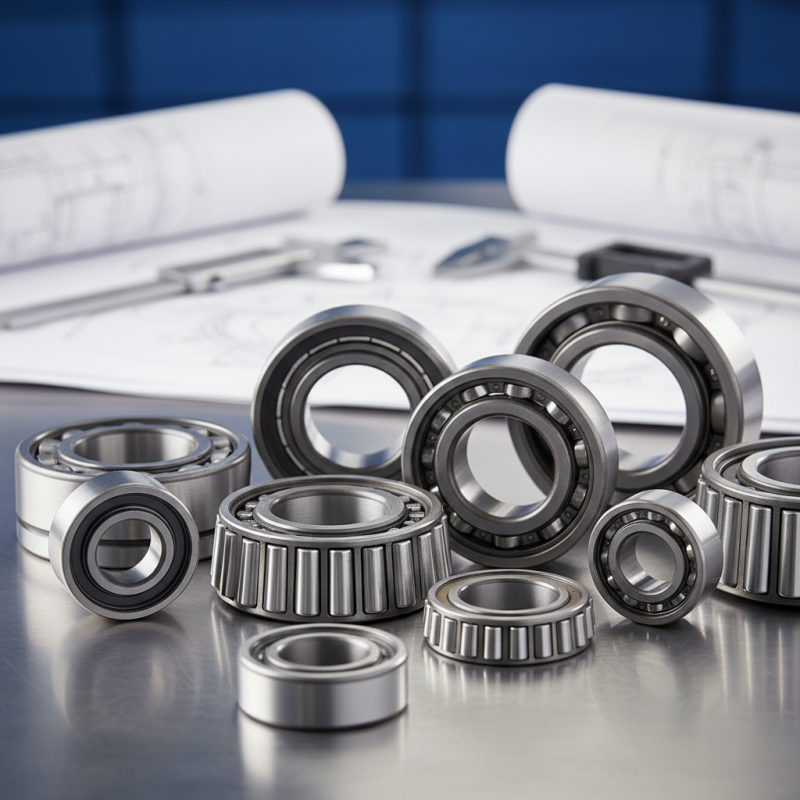
Thrust roller bearings are crucial components in various mechanical systems. They are designed to handle axial loads. These bearings can support high loads while maintaining low friction. This makes them ideal for applications in heavy machinery, automotive, and aerospace industries. Understanding their role is essential for choosing the right type.
In applications like gearboxes, thrust roller bearings manage the alignment and stability of rotating parts. They help maintain consistent performance under heavy loads. If miscalculated, however, these bearings can lead to significant failures. Maintenance intervals should be properly managed. This ensures that the bearings always operate at peak efficiency. Additionally, environmental factors can affect lifespan. Dust and moisture can degrade performance.
Choosing the right thrust roller bearing is not always straightforward. Consider the load type and operating conditions. A mismatch can lead to premature wear or breakdowns. Sometimes, consulting with experts can clarify options. Trial and error is not uncommon in the selection process. Each project has unique needs that must be met.
Key Factors to Consider When Selecting Thrust Roller Bearings
When selecting thrust roller bearings, several key factors must be considered. Load capacity is essential. The bearing should withstand axial loads without excessive wear. According to industry research from the Bearing Manufacturer Association (BMA), approximately 80% of bearing failures are due to inadequate load handling. Therefore, knowing your load requirements is vital.
Another factor is the operating environment. Temperature variations and exposure to contaminants can impact performance. Bearings used in harsh conditions may require special coatings or materials. Studies show that bearings can experience a 30% reduction in lifespan in contaminated environments. This highlights the importance of selecting the right material for the application.
Lastly, precision is crucial. Not all applications require the same level of accuracy. An overly precise bearing might cost more and not add value. Conversely, using a low-precision bearing in high-performance equipment can lead to failures. Balancing accuracy with cost-effectiveness is a challenge. It's essential to assess your specific needs realistically.
How to Choose the Right Thrust Roller Bearing for Your Project? - Key Factors to Consider When Selecting Thrust Roller Bearings
| Factor |
Description |
Example Value |
| Load Capacity |
The maximum load that the bearing can support without failure. |
5000 N |
| Operating Speed |
The speed at which the bearing can operate effectively. |
1500 RPM |
| Material |
The composition of the bearing which influences durability and performance. |
Chrome Steel |
| Operating Temperature |
The temperature range in which the bearing can safely operate. |
-20°C to +120°C |
| Alignment |
The importance of aligning the bearing correctly for optimal performance. |
Critical |
| Sealing Type |
The type of seal used to protect the bearing from contaminants. |
Contact Seal |
| Design Type |
The configuration of the bearing affecting load distribution. |
Cylindrical |
Evaluating Load Capacities and Performance Ratings
When selecting the right thrust roller bearing, evaluating load capacities is crucial. Load capacity determines how much weight the bearing can handle under various conditions. According to industry reports, standard radial loads typically range from 10,000 to 30,000 N for many applications. However, this can vary significantly based on bearing design and material properties.
Tip: Always calculate the maximum expected load in your project. This ensures that the bearing will not fail prematurely. For optimal performance, check the dynamic and static load ratings. Often, the dynamic load rating is significantly lower due to operational fatigue, working at around 50% of the static rating. Balancing these ratings can enhance durability and reliability.
Performance ratings further highlight efficiency. Factors like friction coefficient and heat resistance are vital. Some bearings perform better under high speeds. Reports indicate friction can increase failure rates by 60%. Evaluate how your application’s speed correlates with the chosen bearing's endurance. Remember, using the wrong bearing can lead to excessive wear or catastrophic failure.
Material Options and Their Impact on Bearing Selection
When selecting thrust roller bearings, material choice plays a crucial role. The most common materials include steel and ceramic. Steel bearings offer strength and durability. They're standard in many applications. However, they can be prone to corrosion and wear, especially in harsh environments.
Ceramic bearings, on the other hand, present unique advantages. They are lightweight and resistant to corrosion. Their performance remains stable across varying temperatures. However, they may be more brittle and less forgiving under shock loads. This raises the question: are they the best choice for your application?
Ultimately, the decision hinges on specific project requirements. Consider factors such as load, speed, and environmental conditions. In some cases, a combination of materials might be ideal. Balancing performance and cost remains essential. Each material has its strengths and weaknesses, inviting a nuanced approach to your selection process. Reflect on the trade-offs inherent in your choice.
Material Options for Thrust Roller Bearings
This chart displays the load capacity of various materials used for thrust roller bearings. Steel offers the highest load capacity, followed by composite and ceramic materials, while plastic has the lowest capacity. Selecting the right material is crucial for ensuring the performance and longevity of the bearing in your project.
Installation and Maintenance Tips for Thrust Roller Bearings
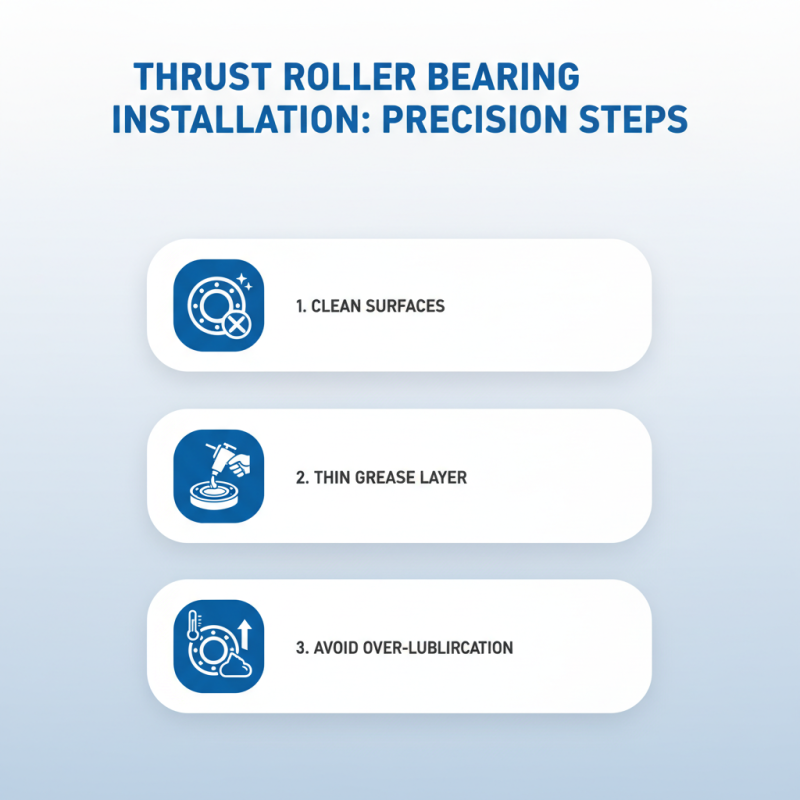
When installing thrust roller bearings, precision is crucial. First, ensure the bearing surface is clean and free of debris. Dirt can lead to premature wear. Applying a thin layer of grease to the bearing's race can help in the installation process. Be cautious not to over-lubricate, as excess grease can trap heat.
During maintenance, regular inspection is essential. Check for signs of wear, moisture, and contamination. These issues can impact performance. If you notice irregular noises or vibrations, it could indicate a problem. Don't ignore these warning signs; they could lead to more significant failures. Keeping a maintenance log can help you track performance over time.
Also, remember that installation angles matter. Misalignment can reduce longevity. A simple adjustment can make a big difference. Proper care and attention to details during installation and maintenance will ensure optimal performance of your thrust roller bearings. Reflect on your processes frequently to improve outcomes.