What is Hardware Bearing and Its Importance for Global Buyers?
In the world of manufacturing, Hardware Bearing plays a crucial role. This component supports rotating shafts, enabling smooth and efficient motion. According to Robert Chen, a leading expert in the hardware industry, "A good bearing choice can make or break operational efficiency." This statement highlights the importance of selecting quality Hardware Bearings for any organization.
Global buyers must understand the significance of Hardware Bearings in their supply chains. As machinery becomes more sophisticated, the demand for reliable bearings increases. Quality engagements with suppliers ensure that businesses get the best products. However, navigating the market can be challenging due to the plethora of options available. Some buyers may overlook critical specifications or compatibility issues, leading to suboptimal choices.
The need for education in this domain is paramount. Many buyers might underestimate the impact of a single Hardware Bearing decision on overall productivity. Awareness and research can help prevent costly mistakes. Engaging with experts and seeking reliable information can empower buyers to make informed decisions. The journey of selecting the right Hardware Bearings is intricate and demands careful consideration.

What is Hardware Bearing? An Overview of Types and Functions
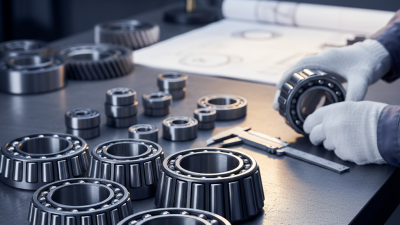
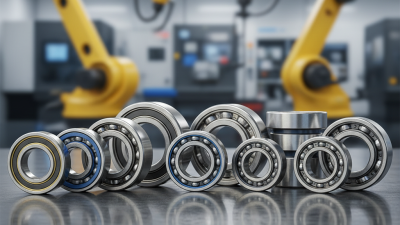
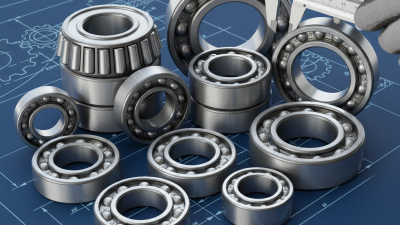
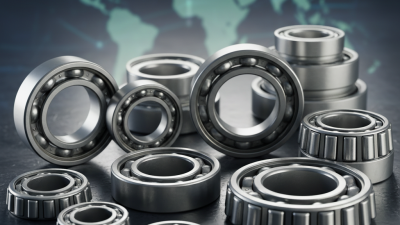
Hardware bearings are essential components that facilitate smooth motion between parts in machinery. They reduce friction, increase efficiency, and support loads. Various types of hardware bearings exist, each with specific functions. Ball bearings, for example, use balls to maintain separation between the moving parts. This design minimizes friction and allows for high-speed movement. Roller bearings, on the other hand, utilize cylindrical rollers, providing better load distribution and support for heavier loads.
Different applications require different bearing types. For example, in electric motors, bearings need to withstand high speeds and temperatures. Conversely, in construction equipment, robustness is more critical. Understanding these distinctions can guide global buyers in selecting the appropriate bearing.
Consideration must also be given to materials. For example, stainless steel offers corrosion resistance but may not be ideal for high-load scenarios.
The choice of bearings can directly impact machine performance. Yet, many buyers overlook this critical aspect. Proper bearing selection requires both experience and knowledge. Missteps can lead to inefficiencies, increased wear, and even machinery failure. Therefore, continuous learning about the latest technologies and material innovations is vital for making informed purchasing decisions.
The Role of Hardware Bearings in Different Industries and Applications
Hardware bearings play a vital role across various industries, facilitating machinery function and longevity. In automation, for instance, bearings are essential for reducing friction and wear in motors and conveyors. According to a recent market report, the global bearings market is projected to grow by
6.5% annually, indicating rising demand across sectors like automotive and aerospace. This growth signals increased reliance on quality hardware elements.
In construction, bearings ensure the smooth operation of heavy machinery, enhancing safety and efficiency. They support rotating shafts in cranes and lift equipment, impacting overall project timelines and costs. A report from the International Federation of Robotics indicates that industrial robots, which heavily rely on bearings, will reach a deployment of over
4 million units by 2025.
Despite their importance, many industries sometimes overlook maintenance. Neglect can lead to failures that significantly impact productivity. Proper training in bearing technology is crucial for personnel. As industries seek to innovate, understanding the role of hardware bearings remains paramount.
Market Trends: Growth and Demand for Hardware Bearings Globally
The global hardware bearing market has been witnessing significant growth recently. As industries evolve, there is an increasing demand for reliable and efficient bearings. These components play a crucial role in reducing friction in machinery, enhancing overall performance. Many manufacturers are now focusing on advanced technologies to improve bearing designs. This shift is essential for meeting the rigorous demands of modern applications.
Emerging trends highlight the importance of sustainability in hardware bearing production. Many buyers are seeking eco-friendly options that minimize environmental impact. This growing awareness is prompting manufacturers to use sustainable materials and practices. Additionally, the rise of electric vehicles is driving the demand for high-performance bearings. Companies are investing in research to create innovative solutions that cater to these new market needs.
However, there are challenges. Not all manufacturers can meet stringent quality standards. Some existing products may not deliver the expected performance. Buyers are increasingly cautious, analyzing supplier reliability and product specifications. This scrutiny reflects a broader need for accountability in the supply chain, underscoring the importance of quality in hardware bearings. Understanding these trends is vital for buyers looking to make informed decisions.
Key Factors Influencing Hardware Bearing Selection for Buyers
When selecting hardware bearings, buyers must consider various key factors that can significantly influence performance. Material choice is crucial. Bearings made from high-quality steel tend to offer better durability. A recent report indicated that bearing failure can account for 70% of all machinery downtime. This emphasizes the need for careful selection.
In addition to material, load capacity is vital. Buyers must ensure that the bearing can handle the specific loads it will face. Misjudging this can lead to premature wear and expensive repairs. According to industry data, incorrect bearing selection can lead to costs exceeding $30,000 annually due to inefficiencies.
Environmental conditions also play a significant role. Factors such as temperature, humidity, and exposure to contaminants can affect bearing life. A study showed that bearings in harsh environments had a lifespan reduced by up to 40%. Therefore, it’s essential for buyers to assess operational conditions closely. This helps to mitigate risks and improve overall equipment reliability.
What is Hardware Bearing and Its Importance for Global Buyers?
| Dimension |
Data |
| Type of Hardware Bearing |
Ball Bearing, Roller Bearing, Thrust Bearing |
| Material Used |
Steel, Ceramic, Plastic |
| Load Capacity Range |
100 kg to 5000 kg |
| Rotational Speed (RPM) |
1000 to 30000 |
| Applications |
Automotive, Aerospace, Industrial Machinery |
| Key Factors Influencing Selection |
Load Requirement, Speed, Environment, Cost |
| Maintenance Frequency |
Every 6 months to 2 years |
| Expected Lifespan |
5000 to 20000 hours |
Technical Standards and Testing Procedures for Hardware Bearings
When discussing hardware bearings, technical standards play a critical role. These standards ensure that products meet specific performance metrics. They cover various aspects, including
dimensions,
load capacity, and
durability.
By adhering to these guidelines, manufacturers can provide
consistent quality. This is essential for buyers who rely on hardware bearings in various applications.
Testing procedures are equally crucial in the manufacturing process. Rigorous tests assess the
performance and reliability of bearings before they reach the market. Key tests examine
resistance to wear,
load-testing, and
environmental factors. A detailed focus on these elements can prevent failures in critical machinery.
However, not all manufacturers follow stringent testing protocols. This inconsistency can lead to
substandard products entering the supply chain. Buyers must remain vigilant to ensure quality.
Understanding these standards and procedures helps buyers make informed decisions. It fosters confidence in the products they procure. Knowledge of
industry norms allows for better communication with suppliers. Ultimately, it empowers buyers to demand
better quality and consistency in hardware bearings, reducing risks associated with unexpected failures.