Why High Quality Bearings Are Essential for Mechanical Performance?
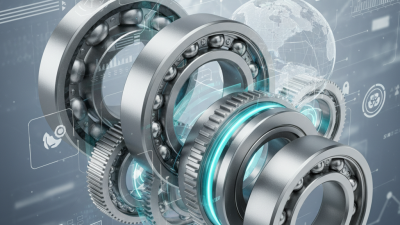
High Quality Bearings play a critical role in mechanical performance across various industries. According to a recent report by the Global Industry Analysts, the bearing market is anticipated to reach $93.58 billion by 2026. This growth highlights the importance placed on reliable performance in industrial applications. High Quality Bearings reduce friction, improve efficiency, and extend equipment lifespan.
In particular, manufacturers in automotive and aerospace sectors rely on high quality bearings for safety and performance. Studies show that nearly 30% of machinery failures are due to bearing issues. This statistic underscores the necessity for investing in premium quality components. Additionally, regular maintenance and timely replacements can mitigate risks, yet many companies overlook these factors.
Investing in High Quality Bearings may seem costly. However, the long-term benefits often outweigh the initial expense. Performance failures produce significant downtime and repair costs. Reflecting on the importance of quality can lead to more informed decisions in procurement. While challenges exist, understanding the role of high-quality components can elevate operational standards significantly.
The Role of High Quality Bearings in Reducing Mechanical Friction
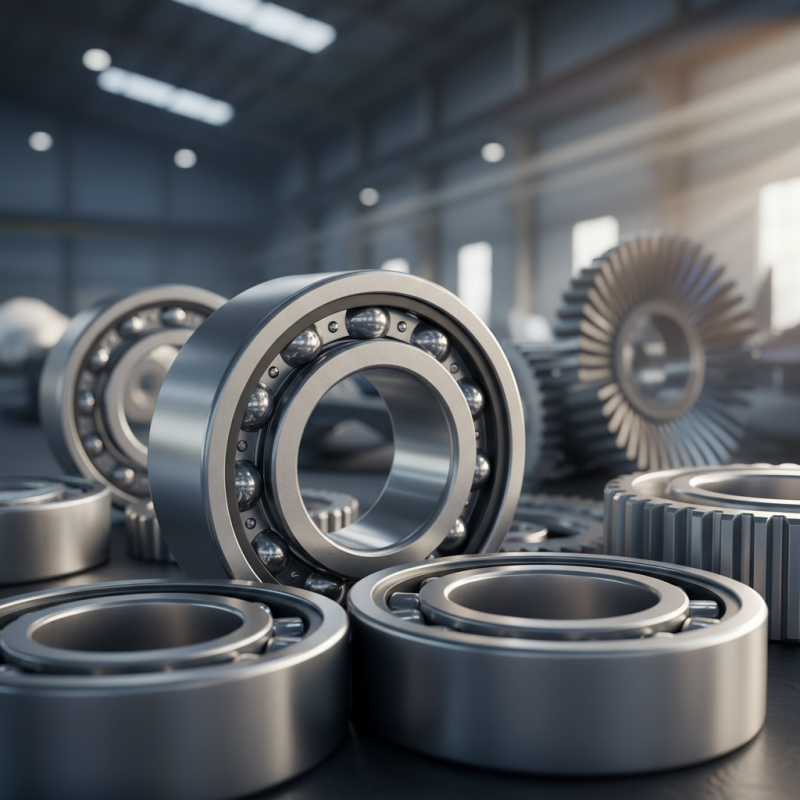
High-quality bearings are vital in mechanical performance. They play a crucial role in reducing mechanical friction. Lower friction means less heat generation, resulting in increased efficiency. When machines operate smoothly, energy consumption decreases, saving money in the long run. However, choosing the right bearing isn’t always straightforward.
Some may overlook the importance of proper lubrication. Insufficient lubrication can lead to increased wear and tear. This results in higher friction levels and potential failure of bearings over time. Sometimes people assume that all bearings are equal, which is misleading. Variations in material quality and design significantly impact performance.
Tip: Regularly check and maintain your bearings. Proper maintenance extends their lifespan. Monitor for unusual noise or heat. These signs can indicate underlying issues. Ignoring them could lead to costly repairs later. High-quality bearings are an investment. Their impact on performance cannot be underestimated.
Impact of Bearing Quality on Equipment Efficiency and Longevity
High-quality bearings significantly affect equipment efficiency and longevity. They reduce friction, allowing machinery to run smoother. When bearings are made with precision, components mesh well together. This improves energy conservation, making machines more efficient. In contrast, poor-quality bearings can create excessive wear. This leads to frequent repairs and replacements, wasting resources.
A machine using subpar bearings may operate effectively at first. Over time, however, performance degrades. Unexpected failures can disrupt production schedules. Without high-quality bearings, the risk of breakdowns increases. Maintenance becomes costlier as well. Equipment longevity is compromised, leading to higher lifecycle costs. Ultimately, investing in quality bearings pays off in reduced downtime.
When considering equipment upgrades, don’t overlook bearing quality. It's a small component with a big impact. Ensure the bearings chosen are designed for specific applications. Often, the cheapest option appears attractive but can cost more in the long run. Quality should never be sacrificed for price, as it can define mechanical performance.
Impact of Bearing Quality on Equipment Efficiency and Longevity
Statistical Analysis: Failure Rates of Low vs. High Quality Bearings
When considering mechanical performance, the choice of bearings matters significantly. Statistical analysis reveals stark differences in the failure rates between low-quality and high-quality bearings. High-quality bearings tend to last longer and perform more consistently. For example, a study found that low-quality bearings fail at a rate of 30%, while high-quality options have a failure rate as low as 5%. This stark contrast can make or break machinery efficiency.
The implication of these statistics cannot be overlooked. Choosing low-quality bearings might save costs upfront, but it often leads to increased downtime and maintenance. Imagine the frustration of machinery failures disrupting production lines. Equipment failures can lead to costly repairs and lost revenue. In this light, investing in high-quality bearings emerges as not just a choice but a necessity for sustained performance.
However, it's important to reflect on the dilemma of cost versus reliability. Some users might prioritize immediate savings over long-term investment. This can lead to repeated failures and ongoing expenses which ultimately negate initial savings. It is crucial to understand that quality impacts not only the bearing itself but the entire mechanical system's longevity and efficiency.
Why High Quality Bearings Are Essential for Mechanical Performance?
| Bearing Type |
Material Quality |
Failure Rate (%) |
Expected Lifespan (Hours) |
Performance Rating (1-10) |
| Low Quality Bearings |
Standard |
15% |
1000 |
4 |
| High Quality Bearings |
High Grade |
2% |
5000 |
9 |
| Medium Quality Bearings |
Average |
8% |
2500 |
6 |
Cost-Benefit Analysis of Investing in Premium Bearings for Industrial Use
Investing in high-quality bearings can seem costly, but the benefits often outweigh the initial price. Premium bearings typically have superior materials. This leads to enhanced durability and performance. They reduce friction, which helps machinery run smoothly. Over time, this can lower maintenance costs and downtime.
Tips: Regularly inspect bearings for
wear and tear. This can help identify issues early. Not all applications require the same type of bearing. Match the bearing to the specific task.
Choosing cheaper options may save money initially, but can result in
higher long-term expenses. They often wear out quickly. Replacing them frequently can disrupt operations. High-quality bearings may have a
higher upfront cost, but they pay off over time. It's worth considering the
total cost of ownership rather than just the purchase price.
Tips: Keep a record of bearing performance over time. Analyze trends to make informed decisions. Upgrading to premium options can sometimes reduce energy consumption, leading to further savings.
Applications Where High Quality Bearings Significantly Enhance Performance
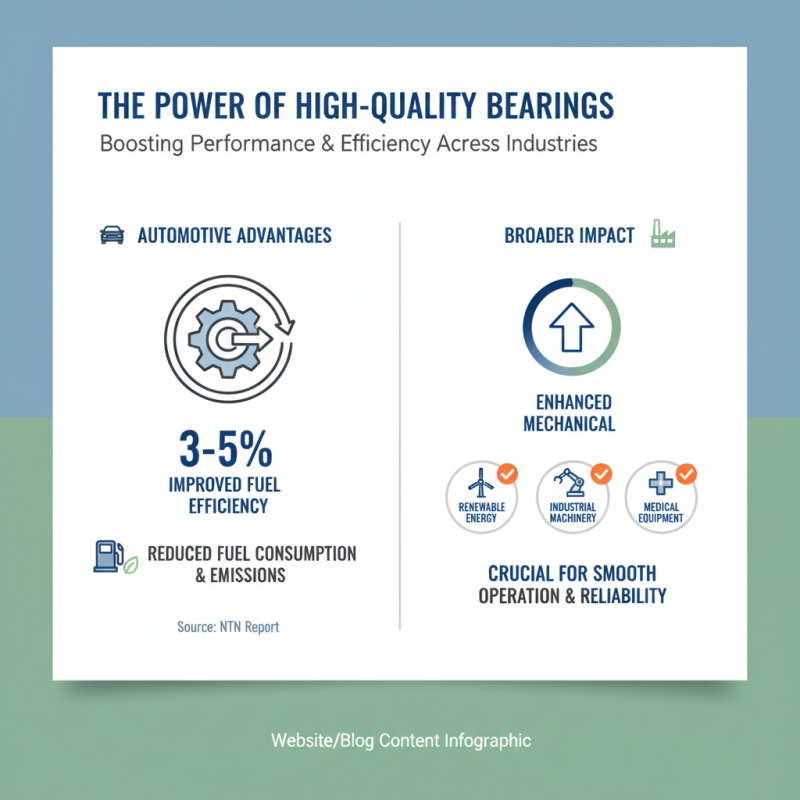
High quality bearings play a crucial role in various applications, enhancing mechanical performance significantly. In the automotive industry, high precision bearings are necessary for smooth operation. For instance, an NTN report highlights that top-quality bearings can improve a vehicle's fuel efficiency by 3-5%. This improvement helps reduce consumption and emissions, crucial for meeting environmental regulations.
In the aerospace sector, the performance demands increase. According to a study by the American Institute of Aeronautics and Astronautics, using better bearings in engines can boost overall efficiency by up to 10%. These enhancements are vital, especially in an era where every percentage point matters for performance and safety. However, it is essential to note that the integration of high-quality bearings can also lead to increased costs. Companies must evaluate their expense versus performance gains.
Manufacturing processes, too, benefit from high quality bearings. In precision machinery, top-notch bearings reduce friction, enhancing speed and accuracy. The Journal of Mechanical Engineering suggests that precision bearings can lift productivity by 15%. Yet, improper selection and maintenance can result in failures. This uncertainty requires careful consideration, as it may lead to downtime and repair costs.