What is a Mounted Bearing and How Does it Work?
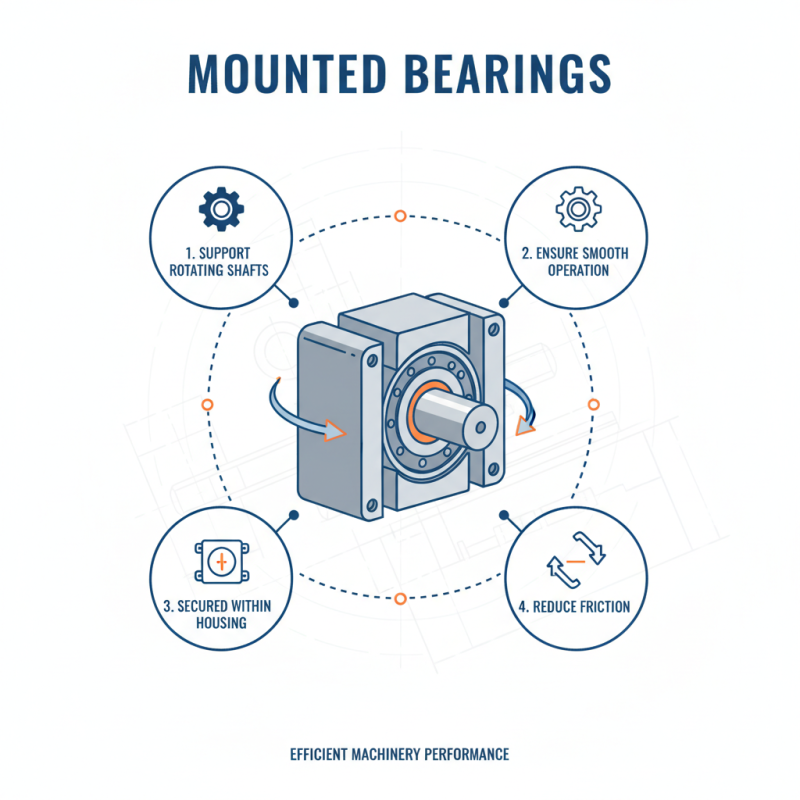
Mounted bearings play a crucial role in various machinery. They help support rotating shafts and reduce friction. According to John Smith, a leading expert in the industry, "A mounted bearing ensures smooth operation, extending machinery life."
These components are vital in applications ranging from automotive to industrial equipment. They usually consist of a bearing inserted into a housing. This design allows for easy installation and maintenance. However, choosing the right mounted bearing can be complex. Each application may require different specifications.
Not every mounted bearing is suitable for every environment. Challenges can arise with temperature fluctuations or improper installation. It's important to assess the specific needs of your machinery. Reflecting on these factors can lead to better performance and longevity.
What is a Mounted Bearing and Its Basic Functions Explained
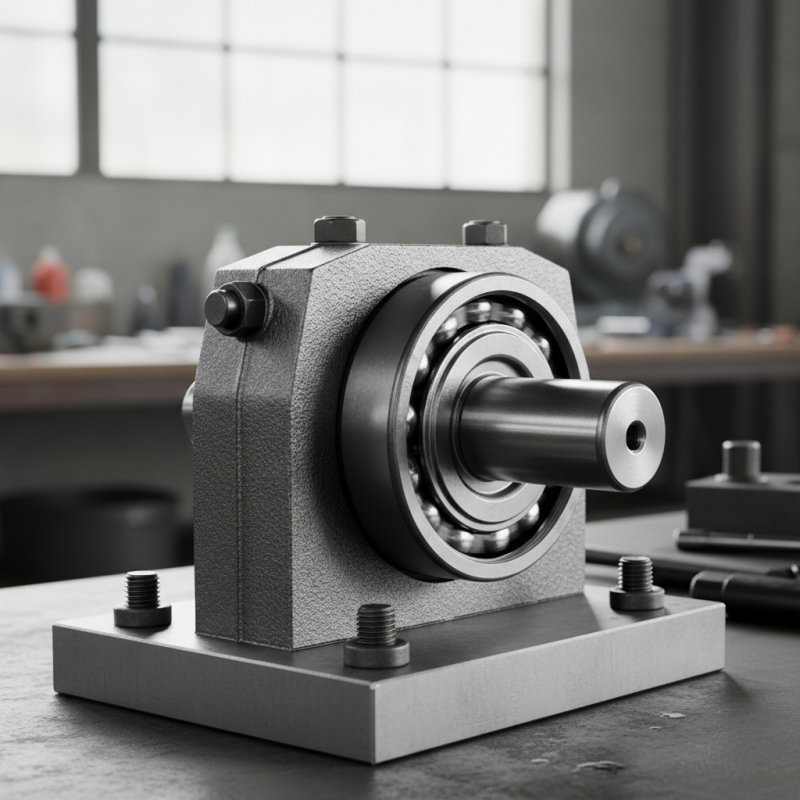
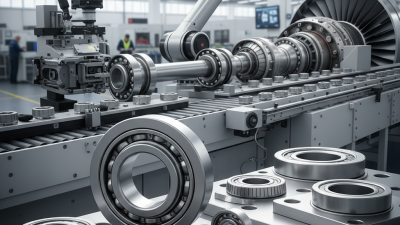
Mounted bearings are essential components in many machinery applications. They provide support for rotating shafts, ensuring smooth operation. These bearings are typically installed within a housing that secures them in place. The design helps in reducing friction between the moving parts, which is crucial for efficient performance.
The basic function of a mounted bearing is to align and stabilize rotating shafts. It absorbs radial loads, preventing misalignment and wear. Without them, machinery could suffer from increased downtime and maintenance issues. Proper installation is critical. An improper setup might lead to premature failure, a costly mistake. The choice of materials is also significant. Different applications might require different types of mounted bearings to optimize performance.
These bearings can face environmental challenges, like dust and moisture. Such factors may lead to corrosion and damage over time. Regular maintenance and checks are necessary to ensure their longevity. It’s important to address any signs of wear or failure early on. Otherwise, the entire operation could come to a halt unexpectedly. This requires careful attention and a proactive approach to machinery care.
Types of Mounted Bearings: Overview of Common Designs and Applications
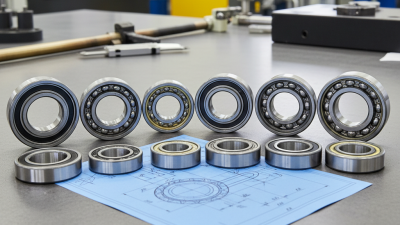
Mounted bearings are vital in various applications, ranging from automotive to industrial machinery. They help reduce friction in rotating components, allowing for smoother operation and better efficiency. Among the common types of mounted bearings are pillow block bearings and flanged bearings. Each design serves unique demands.
Pillow block bearings are popular for their robustness. They mount easily on machinery and provide stability. According to a recent report, these bearings account for nearly 30% of the market share. They are essential in conveyor systems and agricultural machinery.
Flanged bearings, on the other hand, excel in applications where space is limited. Their compact design allows for effective support in tight areas. Approximately 15% of all mounted bearings sold are flanged types.
It’s crucial to choose the right type of bearing for specific needs. Mismatching can lead to mechanical failures. For example, using pillow block bearings in applications requiring flanged configurations may result in poor alignment. Proper selection is key to maintaining efficiency and reducing maintenance costs. Understanding these options aids engineers in making informed decisions.
Key Components of Mounted Bearings and Their Roles in Operation
Mounted bearings play a crucial role in various mechanical systems. They securely house the shaft and provide stability. The basic components include the housing, bearing element, and seals. Each part has its specific role, contributing to the overall functionality.
The housing supports the mounted bearing and ensures proper alignment. It also protects internal components from external debris. The bearing element, usually made of steel or ceramic, allows smooth rotation. This element is critical for reducing friction. Seals prevent contaminants from entering the bearing. They help maintain lubrication, which is essential for long-lasting performance.
Maintaining these components is vital. A damaged seal can lead to lubrication loss. This issue might cause premature wear on the bearing element. Owners should check for any signs of misalignment. Ignoring these details can lead to costly repairs. Regular inspections can help improve the lifespan of mounted bearings.
Mounted Bearings Performance Analysis
Load Ratings and Performance Metrics for Mounted Bearings
Mounted bearings are crucial components in various machinery. Understanding their load ratings is essential for effective performance. Load ratings indicate how much weight a bearing can support without failure. This is expressed in terms of dynamic and static load ratings. Dynamic load ratings measure how much load a bearing can handle while in motion. Static ratings apply when the load is stationary.
Performance metrics also include speed ratings and temperature limits. Each type of bearing is designed for specific conditions. High speeds require special materials and designs. The failure to match load ratings with application needs can lead to premature wear. It often results in costly downtime. Therefore, understanding these metrics is not just academic; it’s vital for operational success.
Common mistakes revolve around overlooking environmental factors. Dirt, moisture, and extreme temperatures can degrade performance. Regular inspection and maintenance can help mitigate these issues. Yet, even with good practices, unexpected failures may occur. This highlights a need for ongoing assessment. Review your performance metrics regularly and adjust as needed.
What is a Mounted Bearing and How Does it Work? - Load Ratings and Performance Metrics for Mounted Bearings
| Bearing Type |
Load Rating (kN) |
Speed Limit (RPM) |
Material |
Temperature Range (°C) |
| Ball Bearing |
50 |
5000 |
Steel |
-20 to 120 |
| Roller Bearing |
80 |
4000 |
Chrome Steel |
-30 to 150 |
| Spherical Bearing |
100 |
3000 |
Bronze |
-40 to 200 |
| Thin-Section Bearing |
30 |
6000 |
Stainless Steel |
-20 to 100 |
| Track Roller Bearing |
60 |
2000 |
Polymer |
-10 to 90 |