What is a Pillow Block Bearing and How Does it Work?
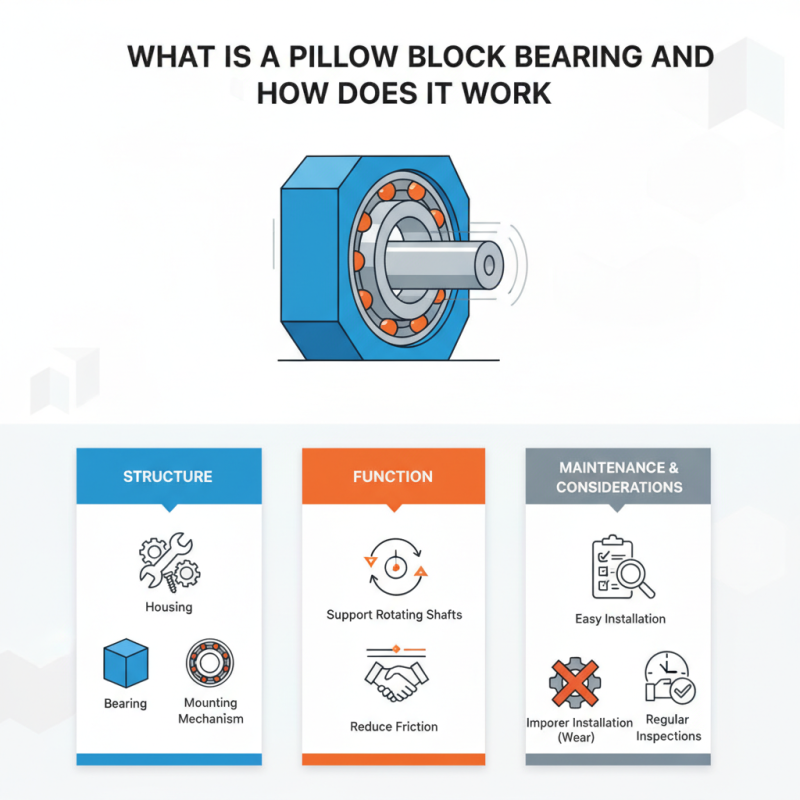
Pillow Block Bearings are crucial in various mechanical systems. They support rotating shafts and reduce friction. Understanding their structure and function is essential for engineers and hobbyists alike.
A Pillow Block Bearing typically consists of a housing, bearing, and a mounting mechanism. The housing holds the bearing securely. This design allows for easy installation and replacement. However, not every application benefits from their use. Some may require custom solutions for optimal performance.
Pillow Block Bearings can simplify maintenance, but they also come with limitations. Improper installation might lead to premature wear. Regular inspections are necessary to ensure longevity. When used correctly, they can enhance efficiency in machines. Learning how they work is key to making informed decisions.
Types of Pillow Block Bearings and Their Applications
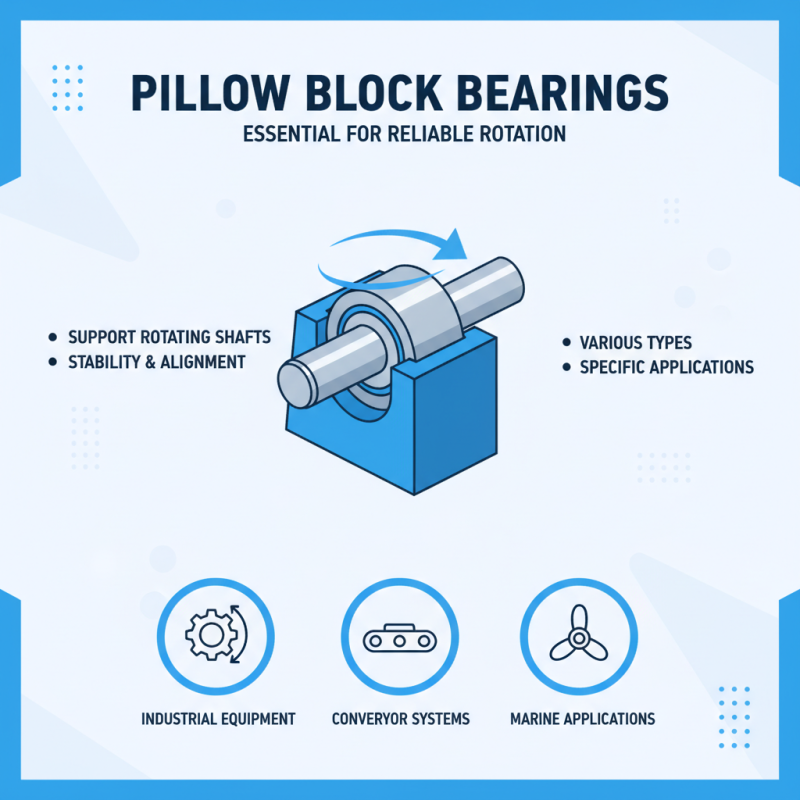
Pillow block bearings are essential in various applications. They support rotating shafts, providing stability and alignment. There are different types of pillow block bearings, each suited for specific needs.
One common type is the cast iron pillow block bearing. It offers durability and load-bearing capacity. Industries often use it in heavy machinery. The American Manufacturing Association reports that these bearings can handle loads of up to 15,000 pounds. Another type is the polymer pillow block bearing. It is lightweight and resistant to corrosion. This makes it ideal for food processing plants.
In addition, there's the spherical bearing. These are designed to accommodate misalignment. They can be found in automotive applications. However, not all pillow block bearings fit every situation. Choosing the wrong type can lead to premature failure. Misalignment issues could also cause increased wear and tear. Understanding specific application requirements is crucial for selecting the right bearing.
Key Components of a Pillow Block Bearing Explained
Pillow block bearings are crucial in various machinery. They provide support for rotating shafts and help reduce friction. The design consists of several key components. Each part plays a vital role in ensuring smooth operation.
The housing is typically made of cast iron or plastic. This sturdy structure houses both the bearing and the shaft. It protects against dirt and damage. The bearing itself is a critical component. It allows the shaft to rotate freely. Lubrication is essential for longevity and functionality.
Tips: Regular maintenance can extend the life of a pillow block bearing. Check for any signs of wear. Listen for unusual noises when the machinery operates. Ensuring proper alignment can also mitigate wear issues. Misalignment can lead to premature failure.
Another component is the locking mechanism, which keeps the shaft securely in place. While it is effective, improper installation can cause significant problems. It’s essential to follow instructions carefully. Even minor mistakes can lead to alignment issues.
What is a Pillow Block Bearing and How Does it Work?
| Component |
Description |
Function |
| Housing |
The outer casing that supports the bearing. |
Provides a solid foundation for the bearing assembly. |
| Bearing Insert |
The rolling element that reduces friction. |
Allows smooth rotation of the shaft. |
| Set Screws |
Screws that secure the bearing insert in place. |
Prevents axial and radial movement of the insert. |
| End Caps |
Covers that protect the interior components. |
Keeps contaminants out and retains lubricant. |
| Lubrication Groove |
Channel for lubricant flow. |
Ensures proper lubrication of bearing surfaces. |
How Pillow Block Bearings Facilitate Rotational Motion
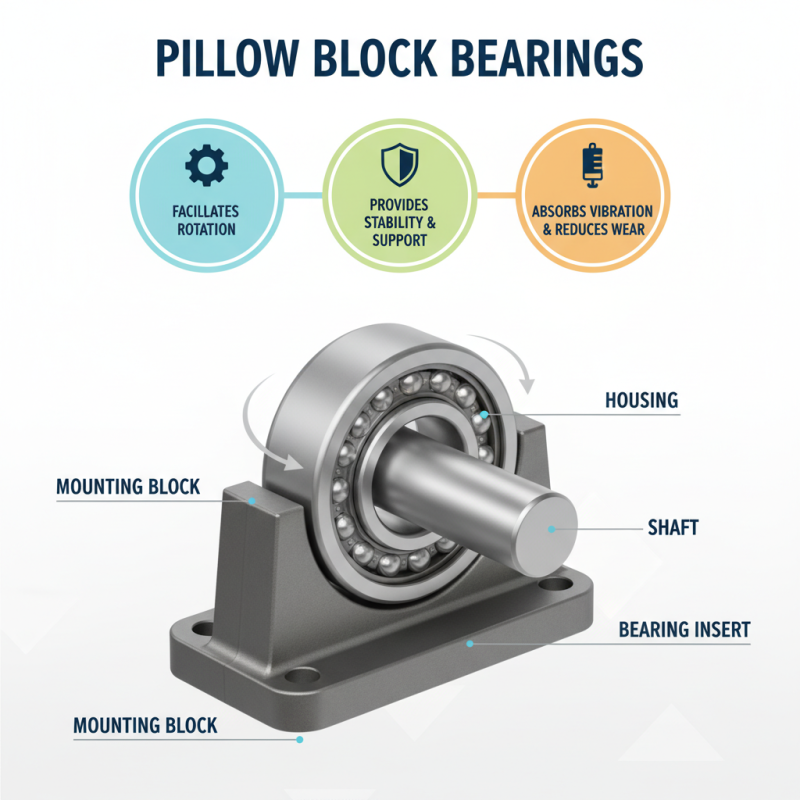
Pillow block bearings play a crucial role in facilitating rotational motion in various machinery. These bearings consist of a mounting block, housing, and a shaft that rotates within. The design allows the shaft to spin freely while remaining stable. The block provides support, which helps to absorb vibrations and reduce wear.
As the shaft rotates, the pillow block bearing's self-aligning feature ensures proper alignment. This is critical in preventing structural failures. Misalignment can lead to inefficiencies and may require costly repairs. This aspect may seem minor, but it can cause significant operational issues over time. Maintenance is essential to ensure everything runs smoothly.
Pillow block bearings can also handle heavy loads effectively. They are commonly used in conveyor belts, fans, and motors. However, the environment plays a big role in their performance. Dust and moisture can degrade the bearing quickly. Regular checks and a clean environment are important. Broken components need early detection to prevent larger problems down the line.
Installation Tips for Pillow Block Bearings
Installing pillow block bearings requires careful attention to detail. These bearings support rotating shafts and are crucial in various machinery. According to industry studies, improper installation can lead to a
30% increase in wear and tear. This can result in costly downtime.
When installing, ensure the housing is clean. Check that the surface is free from debris or damage. Many professionals overlook this step, resulting in misalignment. Use shims if necessary. Proper alignment is key to optimal performance.
The bearing should rotate freely without any obstruction.
Pay attention to torque specifications during installation. Over-tightening can lead to premature failure. Many installations rely on guesswork here, which can be risky.
Regularly inspect the bearings after installation. A visual check can help identify issues early. Remember, skipping routine maintenance may lead to serious problems down the line.
Maintenance Best Practices for Longevity of Pillow Block Bearings
Pillow block bearings are essential components in many machines. Proper maintenance ensures their longevity and efficient performance. Regular inspection is crucial. Check for signs of wear, rust, or abnormal sounds. Even small issues can escalate.
Lubrication is another key aspect. Use the appropriate grease or oil based on manufacturer guidelines. Over-lubricating can lead to seal failure. Conversely, under-lubricating can cause excessive friction. Balance is necessary. Additionally, tightness and alignment matter. Loose bolts can result in misalignment, leading to premature failure.
Cleaning is often overlooked. Dirt and debris can affect performance. Periodically clean the housing and surrounding areas. It prevents contaminants from entering the bearing. Implementing these practices is not always easy. Sometimes, checking everything feels overwhelming. Yet, maintaining focus on details pays off in efficiency and lifespan.