Top 10 Insert Bearing Styles for Global Buyers to Consider?
Insert bearings play a crucial role in various industrial applications, supporting rotating shafts and reducing friction. According to a recent market report by Grand View Research, the global insert bearing market size is expected to reach $9.34 billion by 2027, reflecting its growing importance. Experts like Dr. Emily Chen, a renowned engineer in bearing technology, emphasize, “Understanding insert bearings is key to enhancing machinery efficiency.”
As industries evolve, different insert bearing styles offer unique benefits. These include self-aligning features and easy installation, catering to diverse user needs. A careful selection of the right style can have a significant impact on machine performance. However, the variety can be overwhelming, raising the question of how to choose wisely.
Many buyers overlook critical factors, such as load capacity and material compatibility. This could lead to suboptimal performance and costly repairs. It's vital to approach the selection process thoughtfully, ensuring that the chosen insert bearing aligns with specific operational requirements. The right choice enhances productivity and minimizes downtime, underscoring the importance of informed decision-making in this field.
Overview of Insert Bearings and Their Applications
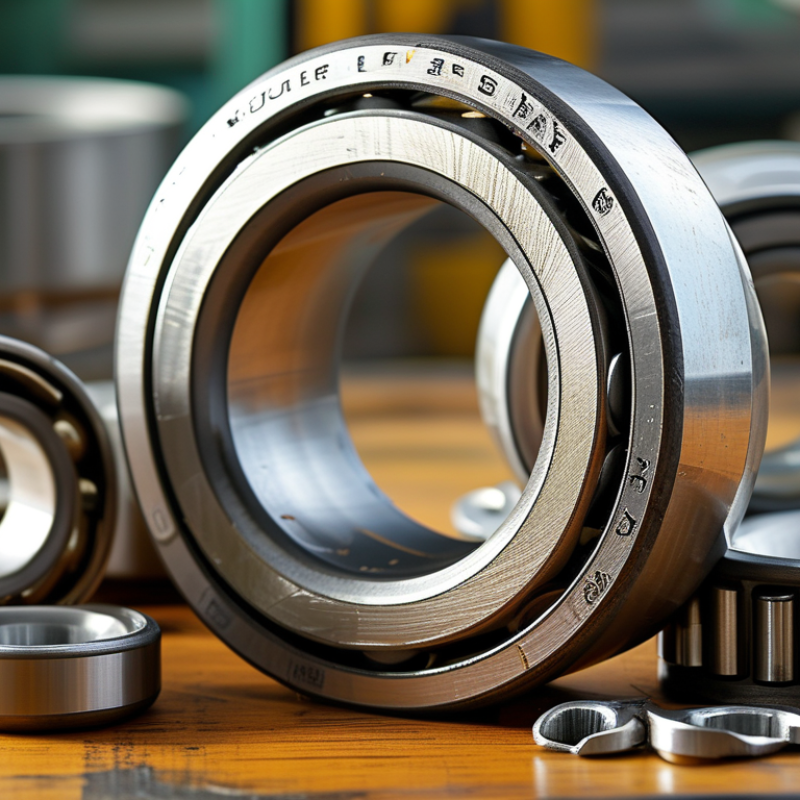
Insert bearings are essential components in various machinery, acting as supports for rotating shafts. Their design allows for easy installation and replacement, making them popular in many applications. Commonly used in agricultural equipment, automotive engines, and industrial machinery, these bearings help reduce friction and wear. Proper selection and maintenance of insert bearings can lead to improved performance and longevity.
When choosing insert bearings, consider the environment. Factors such as temperature, humidity, and exposure to contaminants can impact bearing performance. Consult with experts to select the right material and style for your application.
Check maintenance schedules. Regular inspections can prevent unexpected failures. Vibration analysis and lubrication checks can help in identifying potential issues early. Understanding the specific requirements of your machinery will guide you in making informed choices. Incomplete knowledge about bearing specifications often leads to costly mistakes. It’s essential to prioritize the right type and size for your equipment's needs.
Top 10 Insert Bearing Styles for Global Buyers to Consider
| Bearing Style |
Material |
Load Capacity (kN) |
Speed Rating (RPM) |
Applications |
| Pillow Block Bearings |
Cast Iron |
20 |
3000 |
Agricultural Equipment |
| Flanged Insert Bearings |
Steel |
15 |
5000 |
Conveyor Systems |
| Insert Bearings with Eccentric Locking |
Polymer |
12 |
4000 |
Textile Machinery |
| Y Housing Insert Bearings |
Stainless Steel |
25 |
3500 |
Automotive Applications |
| K Housing Insert Bearings |
Brass |
18 |
4200 |
Food Industry |
| Take-Up Insert Bearings |
Cast Zinc |
22 |
3000 |
Mining Equipment |
| Housings for Insert Bearings |
Aluminum |
20 |
4000 |
Materials Handling |
| Bearing Inserts with Rubber Seals |
Nylon |
14 |
3500 |
Construction Machinery |
| Self-Aligning Insert Bearings |
Carbon Steel |
19 |
3200 |
Railway Applications |
| Heavy-Duty Insert Bearings |
Alloy Steel |
30 |
2800 |
Industrial Machinery |
Key Considerations When Selecting Insert Bearing Styles
When selecting insert bearing styles, several key factors come into play. Material choice is crucial. High-quality materials such as chrome steel and stainless steel offer durability and resistance to corrosion. A study by the International Journal of Engineering and Technology indicates that the right material can enhance bearing lifespan by up to 40%. However, some materials may be too rigid for specific applications. Evaluating the operating conditions is essential.
Load capacity and speed rating are also significant. Insert bearings are designed to handle varied loads. It is vital to match the bearing's load rating to the application. The American Bearing Manufacturers Association suggests that underestimating load requirements can lead to premature failure. Additionally, bearings that operate at higher speeds may require special lubrication. This factor can greatly influence performance and maintenance schedules.
Another consideration is the bearing's mounting type. A proper fit is essential for efficiency. Misalignment can lead to excessive wear. Data from the Bearing Specialists Association indicates that up to 20% of bearing failures are caused by misalignment. Researching different mounting options can help mitigate such risks. Users should also consider the ease of replacement and maintenance during their selection process.
Top 10 Insert Bearing Styles for Different Industrial Needs
When exploring insert bearing styles, it's essential to match the type to specific industrial needs. Insert bearings come at different price points and performance levels. According to the Global Market Insights report, the insert bearing market is expected to reach $15 billion by 2025. This growth is driven by industries like automotive and manufacturing that rely heavily on efficient machinery.
Common styles include the flanged insert bearing and the housed insert bearing. The flanged model excels in applications with limited mounting space. It's often used in conveyor systems. In contrast, housed insert bearings provide robust support for shafts. They're widely used in agricultural equipment. This versatility highlights the need for careful selection based on operational demands.
Data from industry research indicates that improper bearing choices can lead to increased maintenance costs. These costs change with the style of the insert bearing and its application. Not all styles suit every situation, emphasizing an area worth considering. Buyers should assess load capacities and environmental conditions to ensure longevity and performance.
Comparative Analysis of Material Types in Insert Bearings
When choosing insert bearings, material types play a crucial role in performance. Common materials include steel, plastic, and composite. Each has unique properties shaping its suitability for various environments. Steel offers high strength and durability but may be prone to rust. Plastic is lightweight and resistant to corrosion, making it ideal for harsh conditions. Composites blend strengths of different materials, offering resilience and reduced weight.
Understanding the specific requirements of your application is vital. Factors like load capacity, temperature range, and exposure to chemicals dictate the best material choice. For instance, a bearing exposed to moisture may benefit from a plastic design. However, using a steel bearing could lead to premature failure in the same environment. As with any engineering decision, weighing the pros and cons of each material type is essential.
It's also important to consider real-world outcomes. Challenges often arise, such as unexpected wear or failure. These can stem from improper material selection or application mismatches. Experience in the field reveals that empirical testing and user feedback significantly enhance understanding. Continuous adaptation to new findings ensures better performance and longevity of insert bearings in various applications.
Maintenance Best Practices for Longevity of Insert Bearings
Insert bearings are integral components in various industrial applications. Their longevity often hinges on proper maintenance practices. Regular inspection is crucial. According to industry data, nearly 40% of bearing failures are due to inadequate maintenance. Keeping the bearings clean can significantly reduce wear and tear. Debris accumulation can lead to overheating and premature failure.
Lubrication also plays a vital role in extending the life of insert bearings. Using appropriate lubricants—based on the operating environment and load conditions—is essential. In fact, improper lubrication can account for up to 60% of bearing failures. Therefore, establishing a consistent lubrication schedule can enhance performance.
Storage conditions should never be overlooked. Humidity and temperature fluctuations can degrade bearings even before use. Storing them in a controlled environment minimizes risks. Regular training for maintenance personnel can further improve awareness and practices. Engaging staff in systematic approaches often leads to better outcomes. Continuous reflection on maintenance methods helps adapt to changing operational needs.