How to Understand Metric Bearings and Their Applications?
Understanding metric bearings is essential in various engineering fields. They play a crucial role in reducing friction and ensuring smooth movement of machines. A metric bearing is measured using the metric system, which simplifies many calculations.
These bearings come in various sizes and types, serving different applications. They are commonly used in industrial machinery, automotive components, and even household devices. For example, a standard ball bearing facilitates rotation in electric motors. Yet, choosing the right type can be a challenge. Misunderstanding specifications may lead to failures or inefficiencies.
It’s clear that knowledge about metric bearings is vital. However, many people overlook their importance. Without proper understanding, mistakes can occur. It’s not always easy to grasp the differences between bearing types. Learning about these details is essential for successful application. Thoughtful consideration leads to better decisions in design and maintenance.
Understanding the Concept of Metric Bearings
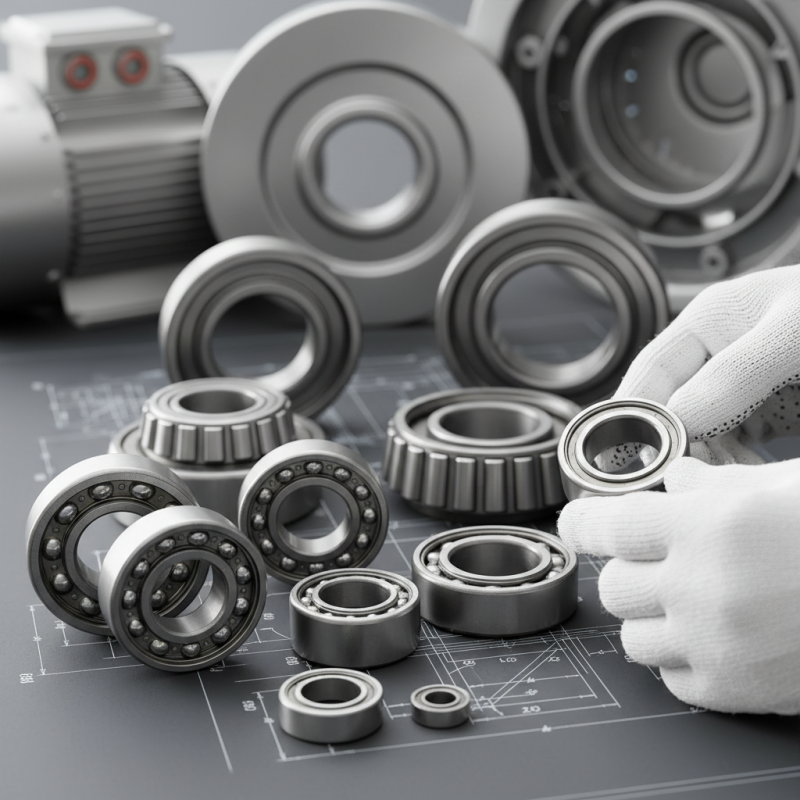
Metric bearings are essential components in various mechanical systems. They provide support for rotating shafts and reduce friction. Understanding how they function is crucial in fields such as engineering and manufacturing. The design often includes precision balls or rollers to facilitate smooth movement. Their dimensions are expressed in metric units, ensuring easy integration into global projects.
When using metric bearings, one must consider several factors. The load capacity and speed ratings are vital. Selecting the right type can be tricky, especially for unique applications. Sometimes, engineers overlook these specifics, leading to performance issues. It's a common mistake.
In practice, metric bearings can be found in everyday devices. From bicycles to industrial machines, they play a crucial role. Proper installation is key. Even a slight misalignment can cause problems. Learning about these details fosters better decision-making. It's a reminder that every component matters in a system. Paying attention to metric bearings helps ensure reliable performance in countless applications.
Types of Metric Bearings and Their Characteristics
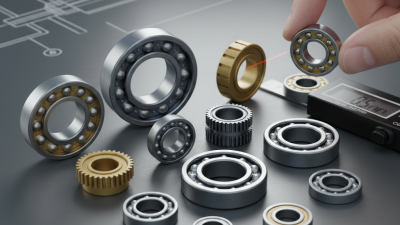
When discussing metric bearings, it’s important to broaden your understanding of their types and characteristics. There are several varieties of metric bearings, including deep groove, angular contact, and self-aligning bearings. Each type serves different purposes. Deep groove bearings are versatile and can handle radial and axial loads. Angular contact bearings, on the other hand, excel in high-speed applications but require precise installation.
Self-aligning bearings are unique due to their spherical outer race. They can accommodate misalignments, which can be beneficial in real-world applications. However, one must consider that their load capacities are generally lower. Each type of bearing can be complex, and their selection should reflect specific application needs. Choosing the right type can save time and resources.
Tips: Check the load ratings of the bearings before purchase. Understanding your application's needs will guide your choice effectively. Always think about maintenance too. Regular inspection can prevent failures.
While metric bearings offer many advantages, they can also present challenges. Misapplication is common. Using the wrong type or size can lead to premature failure. It's wise to reflect on the particular conditions where the bearings will be used. Over time, even small misalignments can become major issues.
How to Understand Metric Bearings and Their Applications? - Types of Metric Bearings and Their Characteristics
| Type of Bearing |
Load Capacity (kg) |
Speed Rating (RPM) |
Material |
Typical Applications |
| Deep Groove Ball Bearing |
500 |
6000 |
Chrome Steel |
Electric Motors, Pumps |
| Angular Contact Bearing |
700 |
5000 |
Stainless Steel |
Machine Tool Spindles, Gearboxes |
| Self-Aligning Bearing |
1000 |
3000 |
Brass |
Conveyor Systems, Agricultural Machinery |
| Thrust Bearing |
1200 |
4000 |
Plastic |
Rotary Tables, Cranes |
| Spherical Plain Bearing |
800 |
2500 |
Bronze |
Construction Equipment, Aerospace |
Applications of Metric Bearings in Various Industries
Metric bearings are crucial in various industries, from automotive to aerospace. They allow for smooth operations by reducing friction between moving parts. According to a recent industry report, bearings account for nearly 40% of machinery breakdowns. Understanding their applications can help mitigate risks.
In the automotive sector, metric bearings ensure vehicles run efficiently. They contribute to fuel savings and improved performance. In aerospace, precision is mandatory. Metric bearings are used in engines, landing gear, and control systems. A small malfunction could lead to major safety issues.
Tips: Regular maintenance is vital. Inspect metric bearings periodically to prevent failure. Also, consider environmental factors, like temperature and humidity. These can impact performance significantly.
Many engineers overlook the importance of selecting the right bearing type. Using incorrect specifications may lead to inefficiency. Understanding load requirements is essential. Each application demands a specific metric bearing design.
Understanding Metric Bearings and Their Applications
This bar chart represents the percentage distribution of applications of metric bearings across various industries. The automotive industry is the largest user, followed by construction and manufacturing, while aerospace and electronics utilize them to a lesser extent.
How to Measure and Calculate Metric Bearings
Understanding metric bearings begins with knowing how to measure and calculate them accurately. Metric bearings are commonly expressed in degrees, with 0° indicating true North. Each bearing helps you navigate, whether you’re hiking or navigating your boat. To begin measuring, you’ll need a protractor or compass, as both tools can simplify the task.
Once you have your tools ready, you can measure the angle from true North to your desired direction. Place your compass on a flat surface, ensuring it's level. Adjust it until it aligns with a known point. From here, you can read the bearing directly. If using a protractor, mark your reference point and measure the angle clockwise. Remember, accuracy is crucial. A small error can lead to a significant deviation over long distances.
Calculating bearings can be trickier. When given two points, subtract their coordinates to find the angle. It’s essential to keep things organized during calculations. Jot down each step. It’s easy to lose track. Reflect on your results frequently. If your outcome feels off, check your measurements and calculations again. A systematic approach contributes to clearer results.
Maintenance and Best Practices for Metric Bearings
When working with metric bearings, regular maintenance is essential. This involves checking for any signs of wear or damage. Listen for unusual noises during operation. If something doesn't sound right, inspect the bearing immediately.
Lubrication is key. Use the right lubricant and apply it at recommended intervals. Over-lubricating can lead to pooling, while under-lubricating may cause excess friction.
Best practices include ensuring proper alignment during installation. Misalignment can lead to premature failure and costly downtime. Keep the working environment clean. Dirt and contaminants can quickly compromise bearing function.
Sometimes, we may overlook these basic steps, leading to preventable issues. It’s crucial to conduct regular inspections. This proactive approach can save time and resources in the long run.
Be vigilant but also realistic; no system is perfect, and frequent checks can help identify problems early on.