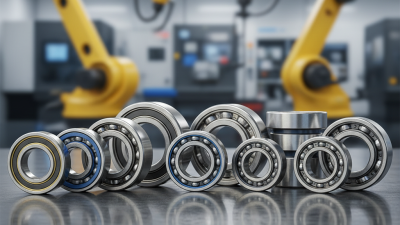
Cheap Bearings from China Why They Are a Smart Choice?
In today’s industrial landscape, cost-effective solutions play a crucial role. Cheap bearings from China are gaining popularity among manufacturers and hobbyists alike. These components are vital in machinery, reducing friction and wear. The allure of affordable prices attracts many businesses seeking to cut expenses. However, it’s essential to evaluate quality alongside cost.
Many cheap bearings offer surprising durability and functionality. However, not all options meet high standards. Consumers must consider factors like material and manufacturing processes. Lower prices often lead to questions about reliability. Not every budget option is a wise investment in the long run. It’s a complex choice, balancing cost with performance.
The market for cheap bearings is vast and varied. While numerous suppliers offer attractive pricing, some may compromise quality. Thorough research and reviews can help in decision-making. Understanding different brands and their reputations is crucial. The right choice can lead to long-term benefits, while a hasty decision might result in frequent replacements. Making an informed decision is key in navigating this landscape.
Factors Influencing the Cost of Bearings in the Chinese Market
The cost of bearings in the Chinese market is influenced by various factors.
Raw material prices play a significant role. When steel prices fluctuate, so do bearing costs. The quality of materials used affects the price. Higher quality materials often lead to increased durability but at a higher expense.
Labor costs also contribute to the overall price. In regions with lower labor costs, manufacturers can produce bearings at a competitive rate. However, this can impact quality. There may be trade-offs in manufacturing processes that could affect longevity.
Additionally, production volume matters. Manufacturers producing in bulk often reduce costs. However, this might lead to inconsistencies in quality control.
Buyers need to be aware of these factors. Understanding them helps in making informed decisions when purchasing bearings from China.
The Role of Manufacturing Technology in Reducing Bearing Prices
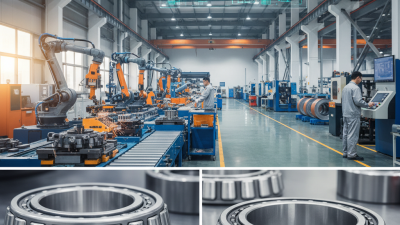
Manufacturing technology plays a pivotal role in the affordability of bearings from China. Indeed, advancements in production processes have enabled Chinese manufacturers to reduce costs significantly. According to a report by the International Journal of Advanced Manufacturing Technology, production efficiency can be improved by 30% through automation and optimized machining techniques. This reduction in manufacturing time leads to lower operational costs.
Cost-saving measures also stem from innovative materials. Modern materials, such as thermoplastics and hybrid ceramics, can decrease weight and enhance performance. Research indicates that these materials can lower maintenance costs by up to 15%. However, it’s crucial to ensure that these new materials meet international quality standards. While cost reduction is attractive, it shouldn’t compromise safety or longevity.
Supply chain logistics have also evolved, decreasing overhead expenses. Efficient shipping routes and local sourcing are vital to managing prices. Nevertheless, companies must remain vigilant about potential quality control issues arising from rapid production. Striking a balance between affordability and quality can be challenging. Manufacturers are encouraged to invest in robust inspection processes to maintain reliability while keeping costs low.
Impact of Manufacturing Technology on Bearing Prices
Quality Control Measures in China’s Bearing Production Industry
In recent years, China's bearing production industry has gained traction due to its cost-effectiveness. Many manufacturers have implemented rigorous quality control measures, ensuring product reliability. According to the China Bearing Industry Association, over 90% of major manufacturers now follow international standards, significantly reducing defect rates.
Employing advanced inspection techniques, many factories now perform over 100 quality checks throughout the manufacturing process. This approach helps maintain consistency and meets customer expectations. Data from MarketWatch indicates that defect rates have dropped to as low as 1.5% in top Chinese facilities.
Tips: When sourcing bearings, prioritize manufacturers that demonstrate strong quality control measures. Look for certifications that reflect adherence to international standards. Always request samples to assess quality firsthand. Keep in mind that while low prices are attractive, they may reflect a lack of quality checks. Reflecting on these factors can lead to smarter purchasing decisions.
Market Trends: Demand and Supply of Bearings in Global Markets
The global market for bearings is evolving rapidly. According to a recent report by Research and Markets, the bearings market is expected to reach $60 billion by 2026, driven by increasing demand across various industries. The automotive and aerospace sectors are particularly notable, contributing over 40% to the overall demand. As companies aim to reduce costs, many are turning to more affordable options, including bearings produced in China.
China's manufacturing capabilities have improved significantly. A study by Statista indicates that the country holds a 36% market share in the global bearings production sector. This is largely due to lower labor costs and advanced production technologies. However, there are concerns about quality and longevity when choosing cheaper bearings. Some companies have reported increased failure rates in budget bearings, prompting a need for careful selection.
Sourcing quality bearings requires due diligence. Not all suppliers in China uphold the same standards. Companies must evaluate factors like material quality and manufacturing processes. A report from the International Organization for Standardization (ISO) suggests that compliance to international quality standards can vary. Price shouldn’t be the only consideration. Long-term reliability can outweigh immediate savings, highlighting the complexity of balancing cost and performance in the bearings market.
Case Studies: Successful Implementation of Cheap Bearings in Various Industries
Cheap bearings from China have proven effective across diverse industries. For instance, in the automotive sector, a case study highlighted a manufacturer that switched to Chinese bearings. The company reported a 20% reduction in costs. However, there were concerns about longevity. They had to conduct regular maintenance to offset any potential issues.
In manufacturing, a textile company integrated affordable bearings into their machinery. They observed a 15% increase in efficiency. Yet, the team faced challenges with inconsistent quality. Quality control processes had to be enhanced. Research indicates that approximately 30% of cheap bearings could fail sooner due to manufacturing variability. This raises questions about reliability over the long term.
The food processing industry also adopted cheap Chinese bearings. One facility managed to save significantly on equipment costs. However, the bearings required frequent replacements, impacting production time. Quality assurance reports revealed variability in performance, leading to downtime. Balancing cost savings with the need for durable components is essential.